
If your Whirlpool refrigerator temperature control is not working, the issue may stem from a faulty thermostat or a malfunctioning control board. Addressing these components can restore your refrigerator’s cooling efficiency and prevent food spoilage.
Whirlpool Refrigerator Temperature Control Diagnostics
When the temperature control in your Whirlpool refrigerator malfunctions, it can lead to food spoilage and other issues. Understanding the diagnostic steps can help identify the root cause of the problem, enabling you to restore proper functionality. This section outlines key troubleshooting techniques to determine why the temperature control is not working effectively.
| Symptom | Primary Suspect | Difficulty (1-5) |
|---|---|---|
| Refrigerator not cooling | Faulty thermostat | 3 |
| Temperature fluctuates | Malfunctioning control board | 4 |
| Ice buildup in freezer | Blocked air vents | 2 |
| Constant running | Defective compressor | 5 |
Recommended Products
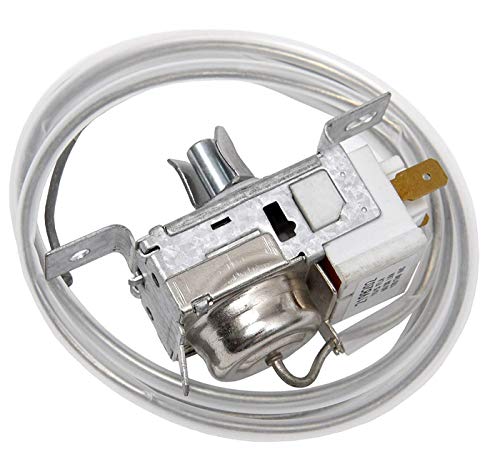
MODEL NUMBER: 2198202 Refrigerator Cold Control Thermostat

100% LIFETIME PROTECTION: Enjoy reliable performance with our lifetime protection, ensuring that your product will always be covered for any defects or issues that may arise.

▶【Fix Symptoms】:Universal refrigerator thermostat WP2198202-freezer thermostat can fix the following symptoms: Will not start | Fridge too warm | Freezer section too warm | Fridge too cold
Whirlpool Refrigerator Temperature Control Issues Explained
Understanding the root cause of temperature control issues in a Whirlpool refrigerator is essential for effective troubleshooting. Common culprits include a faulty thermostat, a malfunctioning control board, or issues with the compressor. Each of these components plays a crucial role in maintaining the desired temperature.
A malfunctioning thermostat may fail to read the internal temperature accurately. This can cause the compressor to run continuously or not at all. A defective control board can disrupt communication between the thermostat and the compressor, leading to erratic cooling behavior.
Whirlpool Refrigerator Temperature Control Troubleshooting Steps
If your Whirlpool refrigerator’s temperature control isn’t functioning properly, it can lead to food spoilage and other issues. Understanding the common causes and following specific troubleshooting steps can help you identify and resolve the problem effectively. This section outlines practical solutions to restore your refrigerator’s temperature control to optimal performance.
To resolve temperature control problems, follow these steps:
Unplug the refrigerator to ensure safety.
Remove the thermostat cover to access the component.
Inspect the thermostat for visible damage or corrosion.
Test the thermostat with a multimeter to check for continuity.
Replace the thermostat if it fails the test.
Check the control board for any burnt components or loose connections.
Replace the control board if necessary.
Reassemble the refrigerator and plug it back in.
Recommended Products

HIGH COMPATIBILITY: It is made exactly fit for most top name brands (Whirlpool, Kenmore, Maytag, Roper, Crosley, Inglis, Estate, Amana, KitchenAid, Admiral, Magic Chef) and perfectly fits and replaces original parts so you can easily install it YOURSELF within few minutes. Fits models: [Kenmore] 110.6012990, 110.6012990, 110.76862692, 110.76901690, 110.77834792, 110.796228, 110.97263100, 110.97263800, 110.98762790, 11060012000, 11060012001, 11060012002, 11060022010, 1106012510, etc.
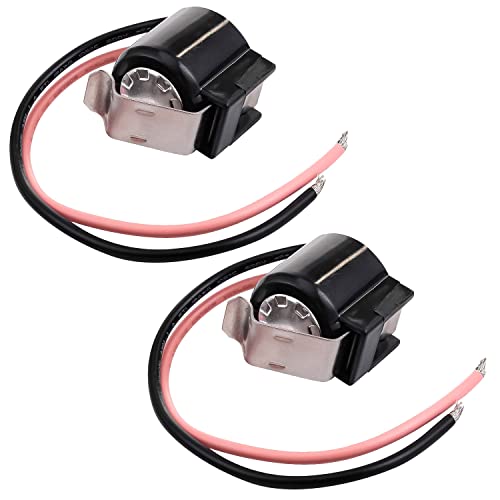
MODEL NUMBER: W10225581 Bimetal Defrost Thermostat (Pack of 2).

FULL KIT INCLUDES: 1 x 3387134 Dryer Cycling Thermostat, 1 x 3392519 Dryer Thermal Fuse designed to prevent overheating and ensure safe operation.
Common Thermostat Issues in Whirlpool Refrigerators
When a Whirlpool refrigerator’s temperature control fails, it often points to underlying thermostat issues. Understanding these common problems can help pinpoint the cause of inconsistent cooling and guide you toward effective solutions. This section delves into the typical thermostat-related challenges that may affect your refrigerator’s performance.
Thermostat issues are a common reason for temperature control failures. A malfunctioning thermostat can lead to inconsistent cooling, causing food spoilage.
Whirlpool Refrigerator Thermostat Issues
If your Whirlpool refrigerator is struggling to maintain the right temperature, the thermostat may be the culprit. Understanding how to identify and troubleshoot thermostat issues can help restore proper cooling and prevent food spoilage. This section will guide you through the common symptoms and solutions associated with thermostat malfunctions in Whirlpool refrigerators.
Inaccurate temperature readings
Refrigerator running continuously
Inconsistent cooling in the refrigerator and freezer
Whirlpool Thermostat Continuity Testing Guide
When your Whirlpool refrigerator’s temperature control malfunctions, it can lead to food spoilage and frustration. One crucial step in diagnosing the issue is testing the thermostat for continuity. This guide will walk you through the process, ensuring you can identify whether the thermostat is functioning properly or needs replacement.
Use a multimeter to check for continuity.
Compare the readings with the expected temperature settings.
Replace the thermostat if readings are outside the normal range.
Control Board Malfunctions in Whirlpool Refrigerators
When the temperature control in a Whirlpool refrigerator fails to function properly, one potential culprit is a malfunctioning control board. This critical component manages the cooling system and ensures the appliance operates efficiently. Understanding the signs of control board issues can help in diagnosing and resolving temperature control problems effectively.
Control board malfunctions can disrupt the refrigerator’s ability to maintain the desired temperature. This component manages the cooling cycles based on inputs from the thermostat.
Whirlpool Refrigerator Temperature Control Symptoms
When the temperature control in your Whirlpool refrigerator malfunctions, it can lead to various symptoms that affect food preservation. Recognizing these signs early is crucial to prevent spoilage and ensure your appliance operates efficiently. This section outlines the common symptoms associated with temperature control issues in Whirlpool refrigerators.
Refrigerator not responding to temperature adjustments
Lights flickering or not functioning
Unusual noises from the appliance
Whirlpool Refrigerator Control Board Diagnostics
If your Whirlpool refrigerator is experiencing temperature control issues, the control board may be the culprit. This section provides a detailed diagnostic approach to identify potential problems with the control board, helping you understand how to troubleshoot and resolve the issue effectively.
Inspect for burnt components or damaged wiring.
Test the board with a multimeter for proper voltage output.
Replace the control board if it fails to meet specifications.
Whirlpool Refrigerator Airflow Issues Explained
Airflow issues can significantly impact the temperature control of your Whirlpool refrigerator, leading to uneven cooling and spoiled food. Understanding how airflow affects the internal environment is crucial for diagnosing and resolving temperature inconsistencies. This section will delve into common airflow problems and their effects on refrigerator performance.
Airflow blockages can also impact temperature control in your Whirlpool refrigerator. Proper airflow is essential for even cooling throughout the appliance.
Whirlpool Refrigerator Airflow Problem Diagnosis
If your Whirlpool refrigerator is struggling to maintain the correct temperature, an airflow problem might be to blame. This section will guide you through diagnosing potential airflow issues that could be affecting your appliance’s performance, ensuring that you can restore optimal cooling efficiency. Understanding these airflow dynamics is crucial for effective troubleshooting.
Ice buildup in the freezer
Warm spots in the refrigerator section
Unusual noises indicating fan obstruction
Whirlpool Refrigerator Airflow Improvement Tips
If your Whirlpool refrigerator’s temperature control is malfunctioning, improving airflow can help maintain optimal cooling. Proper airflow ensures that cold air circulates effectively throughout the fridge, preventing temperature fluctuations and food spoilage. Here are some practical tips to enhance airflow in your Whirlpool refrigerator.
Clear any ice buildup from vents.
Remove obstructions blocking airflow.
Ensure the refrigerator is not overloaded with items.
Whirlpool Refrigerator DIY Repair Risks
When tackling a malfunctioning temperature control in your Whirlpool refrigerator, it’s essential to understand the potential risks involved in DIY repairs. While attempting to fix the issue yourself can save money, it may also lead to further complications if not approached with caution. Assessing your skills and the intricacies of the appliance is crucial before proceeding with any repairs.
Attempting repairs without proper knowledge can lead to further damage. Always consult the user manual or a professional technician if unsure.
Whirlpool Refrigerator Cooling Troubleshooting Steps
Addressing temperature control issues in your Whirlpool refrigerator requires systematic troubleshooting. Inspect the thermostat and control board first, as these are the most common culprits. Ensure proper airflow by checking for blockages. Follow the outlined steps to restore functionality and prevent food spoilage.

Hey, I’m Jake. I focus on cooling systems at Appliance Mastery, like fridges, freezers, and air conditioners.
I’ve worked in appliance repair for more than ten years and I’m certified through NASTeC. I’ve seen just about every fridge issue you can imagine.
My goal is to help you fix problems without stress. Whether it’s a freezer that won’t cool or an AC that keeps beeping, I’m here to walk you through it.