
A Whirlpool washer making a banging noise during the spin cycle usually indicates an imbalance or a mechanical issue. Addressing this problem involves checking the load distribution and inspecting key components for wear or damage.
Whirlpool Washer Banging Noise Causes
Understanding the potential causes of a banging noise in your Whirlpool washer is crucial for effective troubleshooting. This issue often arises from an unbalanced load, worn suspension components, or a damaged drum. Identifying these issues early can prevent further damage and costly repairs.
| Symptom | Primary Suspect | Difficulty (1-5) |
|---|---|---|
| Banging noise during spin | Unbalanced load | 2 |
| Excessive vibration | Worn suspension | 3 |
| Loud clunking sound | Damaged drum | 4 |
Whirlpool Washer Load Balance Solutions
A properly balanced load is essential for the efficient operation of your Whirlpool washer, especially during the spin cycle. An unbalanced load can lead to excessive banging and vibrations, potentially damaging the machine over time. Understanding how to achieve and maintain load balance will enhance performance and prolong the lifespan of your appliance.
An unbalanced load is one of the most common reasons for a banging sound during the spin cycle. When clothes are unevenly distributed in the drum, the washer struggles to maintain balance, leading to excessive movement and noise.
To fix this issue, follow these steps:
Open the lid of the washer and redistribute the clothes evenly.
Remove heavy items if they are mixed with lighter fabrics.
Run a test cycle to see if the noise persists.
If the noise continues, further inspection may be necessary.
Recommended Products

Widely compatible: The EBD48922810 washing machine vibration sensor is designed for LG washing machines, compatible models include WM3555HWA/00, WM1455HWA/00, WV10-1410B, WV10-1410W, WV10-1412B, WV10-1412W, WV5-1408W, etc., ensuring a perfect fit and optimal function

Versatile Washing Options: Simplify your routine with this portable washing machine, designed for laundry versatility. With 10 wash cycles and 3 water levels, it expertly handles any load from 2.5 to 7.7 lbs—delivering the perfect clean for everything

Wide Compatibility with LG Front‑Load Models: Direct replacement for EBD48922806. Fits LG front‑load washers including WM3600HVA/00, WM3600HWA/00, WM4000HBA/00, WM4000HWA/00, WM4000HWA/01, WM4200HBA/00, WM4200HWA/00, WM4500HBA/00, WM8900HBA/00, and other variants listed in the product description. Please check your model number and the sensor appearance before ordering to ensure a correct match.
Whirlpool Washer Suspension Component Inspection
Worn or damaged suspension components can lead to excessive movement of the drum during operation. The suspension springs and shock absorbers play a vital role in stabilizing the drum. If these parts are compromised, the washer may bang against its casing.
To inspect these components:
Unplug the washer for safety.
Remove the front panel to access the suspension system.
Check the springs and shock absorbers for signs of wear or damage.
Replace any worn parts with new ones to restore stability.
Recommended Products

ALL-IN-ONE REPLACEMENT KIT: Includes 4 x washing machine suspension rods, 4 suspension balls, and 4 bushings—everything you need to restore stability and performance to your top-load washer.
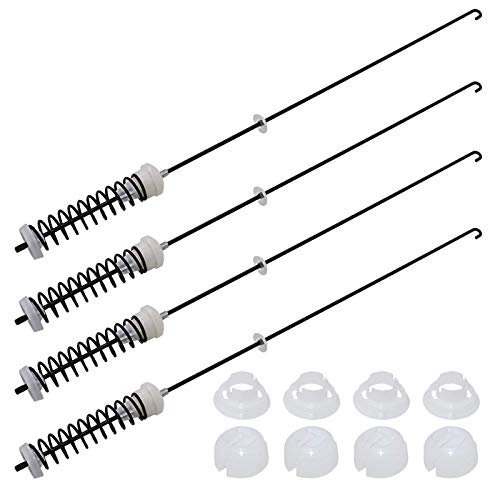
【𝟰 𝗣𝗮𝗰𝗸 𝗪𝟭𝟬𝟳𝟴𝟬𝟬𝟰𝟱 𝗦𝗨𝗦𝗣𝗘𝗡𝗦𝗜𝗢𝗡 𝗥𝗢𝗗𝗦】:W10780045 washer suspension rod kit supports the washer tub to balance the washer in unbalanced conditions, acts as a shock absorber to reduce vibration to keep the washer stable.This w10780045 washer suspension rod kit is manufactured from high-grade materials featuring a sturdy support rod and spring, whichavoids cracking and promotes along life-time.The unbalanced load error "uL" in cabrio style machines is often caused by faulty suspension
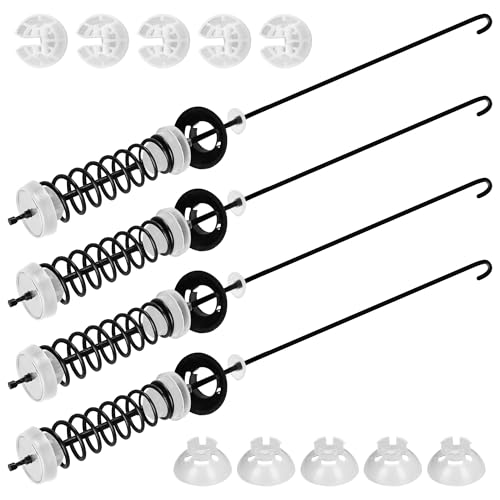
【Replacement Part Number】:Our W10780045 suspension rod kit is replaces these parts:W10537442 W10537443 W10622030 W10645652 W10748953 W10748955 W10780045VP W10780053 W10821951 W10821956 4282746 AP5971396 EAP11703288 PS11703288.
Whirlpool Washer Drum Damage Inspection
Inspecting the drum of your Whirlpool washer is crucial to identifying potential issues that may cause banging during the spin cycle. This section outlines the key steps to thoroughly examine the drum for damage, ensuring your washer operates smoothly and efficiently. By addressing any problems early, you can prevent further complications and maintain the longevity of your appliance.
A damaged drum can cause loud banging noises during the spin cycle. Cracks or dents in the drum can lead to misalignment and excessive vibration. Inspecting the drum is essential for identifying this issue.
To examine the drum:
Unplug the washer and remove the front panel.
Visually inspect the drum for cracks or dents.
Rotate the drum manually to check for unusual resistance or noise.
If damage is found, replacing the drum may be necessary.
Whirlpool Washer Maintenance Tool Requirements
To effectively address issues with a Whirlpool washer that bangs during the spin cycle, having the right tools on hand is essential. Proper maintenance not only helps prevent such problems but also ensures the longevity of your appliance. This section outlines the necessary tools you’ll need for efficient upkeep and troubleshooting.
Before starting any maintenance work, gather the necessary tools and supplies. Having everything on hand will streamline the process and ensure you can complete repairs efficiently.
| Tool/Supply | Purpose |
|---|---|
| Screwdriver | Remove panels |
| Replacement springs | Stabilize drum |
| Replacement shock absorbers | Absorb vibrations |
| Cleaning cloth | Wipe down components |
Whirlpool Washer Safety and Maintenance Tips
Maintaining your Whirlpool washer is essential for both safety and optimal performance. Regular care can prevent issues like banging during the spin cycle and extend the lifespan of your appliance. Here are some straightforward tips to ensure your washer operates smoothly and safely.
Before performing any maintenance on your Whirlpool washer, prioritize safety. Always unplug the appliance to prevent electrical shock.
Wear gloves to protect your hands from sharp edges and debris. Ensure you have adequate lighting to clearly see all components.
Whirlpool Washer Spinning Repair Techniques
If your Whirlpool washer is making a banging noise during the spin cycle, it can be both frustrating and concerning. Understanding the potential causes and implementing effective repair techniques can help restore your appliance to optimal performance. This section will guide you through practical steps to address the issue and maintain your washer’s functionality.
Follow these steps for effective repairs:
Unplug the washer and gather tools.
Inspect the load and redistribute clothes if necessary.
Check suspension components for wear and replace if needed.
Examine the drum for damage and replace if necessary.
Reassemble the washer and plug it back in.
Run a test cycle to confirm the banging noise has stopped.
Recommended Products

424495P Suspension Kit: NEW 424495P Washer Suspension Rod Kit, Direct replacement fit for Fisher & Paykel Washer, Replacement Model 421127 421127P 421067P 49421127P 1655910

Is your washing machine bouncing around, causing noise, unbalanced loads, or other issues? For years, there has been one straight and expensive solution: Replace the suspension rods.
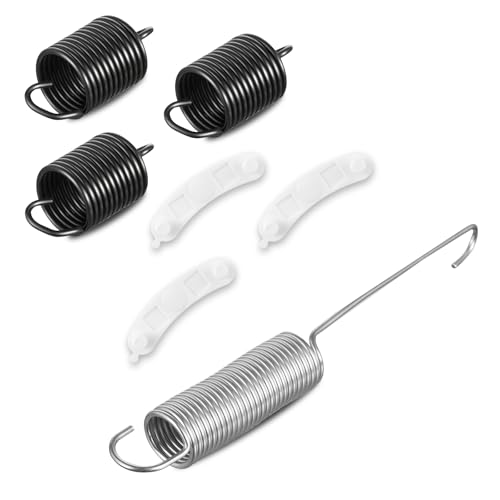
FIXES A SHAKING WASHER - If your top-load washer vibrates, walks across the floor, or bangs loudly during the spin cycle, worn suspension springs are usually the cause. This 7-piece kit restores tub balance and quiet operation.
Whirlpool Washer Maintenance Tips for Smooth Operation
Proper maintenance is essential for ensuring your Whirlpool washer operates smoothly and efficiently. Regular care can prevent issues like banging during the spin cycle and extend the lifespan of your appliance. Here are some straightforward maintenance tips to keep your washer in top condition and minimize disruptive noises.
Regular maintenance can prevent issues from arising in the first place. Here are some tips to keep your Whirlpool washer running smoothly:
Clean the drum regularly to prevent buildup.
Check hoses for leaks or wear.
Level the washer to ensure proper balance.
Avoid overloading to prevent strain on components.
Taking these steps will help you maintain your washer and avoid future problems.

Hey, I’m Jake. I focus on cooling systems at Appliance Mastery, like fridges, freezers, and air conditioners.
I’ve worked in appliance repair for more than ten years and I’m certified through NASTeC. I’ve seen just about every fridge issue you can imagine.
My goal is to help you fix problems without stress. Whether it’s a freezer that won’t cool or an AC that keeps beeping, I’m here to walk you through it.