
A Whirlpool washer shaking during the spin cycle often indicates an imbalance or installation issue. Addressing this problem quickly can prevent further damage and ensure optimal performance.
Whirlpool Washer Shaking Symptoms and Solutions
Experiencing shaking during the spin cycle of your Whirlpool washer can be frustrating and concerning. This section outlines common symptoms associated with excessive shaking and provides practical solutions to address the issue effectively, ensuring your laundry routine remains smooth and hassle-free. Understanding these problems can help you maintain the performance and longevity of your appliance.
Understanding the symptoms of a shaking washer is crucial for effective troubleshooting. Common signs include excessive noise, vibrations, and movement during the spin cycle. These issues can stem from improper installation, uneven loads, or worn-out components.
| Symptom | Primary Suspect | Difficulty (1-5) |
|---|---|---|
| Excessive shaking | Unbalanced load | 2 |
| Loud banging noise | Worn suspension | 3 |
| Movement across floor | Improper leveling | 2 |
Recommended Products

Fix Washer Start and Spin Failures: Restores proper motor startup when the washer hums but will not start. Improves weak spin and agitation caused by a failing run capacitor. Helps resolve common motor power delivery issues during wash cycles

GENUINE OEM: Whirlpool Genuine OEM parts meet strict quality standards, ensuring a precise fit and reliable performance for your appliance.

100% LIFETIME PROTECTION: Enjoy reliable performance with our lifetime protection, ensuring that your product will always be covered for any defects or issues that may arise.
Whirlpool Washer Installation Tools Checklist
Proper installation is crucial for the optimal performance of your Whirlpool washer, especially when it comes to preventing excessive shaking during the spin cycle. This checklist outlines the essential tools you’ll need to ensure a smooth and efficient setup, allowing you to tackle the installation process with confidence and precision.
Before you start working on your Whirlpool washer, gather the necessary tools and supplies. Having everything ready will streamline the process and minimize downtime.
Essential Tools
Level
Adjustable wrench
Screwdriver
Towels
Supplies Needed
Replacement suspension rods
Anti-vibration pads
Cleaning solution
Recommended Products
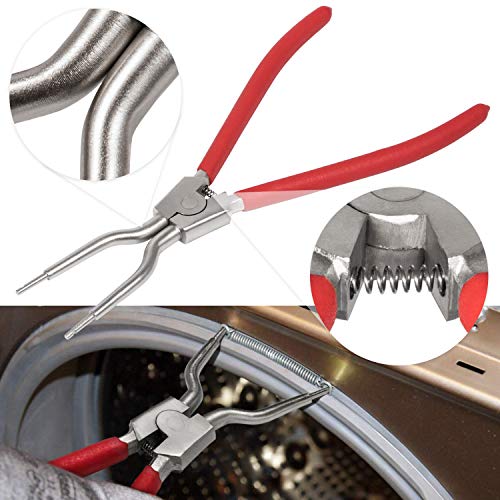
Great Compatibility — Compatible with LG, Samsung, Whirlpool, Kenmore and all brand front-load washing machines with the Spring Body Length ranging from 2.0 to 3.5 inches. Fit for 4986ER0004F/B/G Door Boot. Replacement for LG and Samsung OEM part number 383EER4001A, 383EER4004A, TJTSE-1, 1268535, AH3569695, AP4438623, EA3569695, EAP3569695, PS3569695.
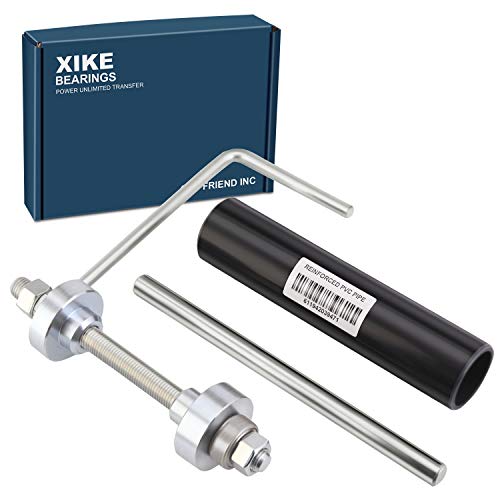
✅REPLACES - W10447783 2119011, 2118925, W10435274, W10435285 Etc.

✔✔【THREE YEAR GUARANTEE】— The item 383EER4004A Washer Spring Removal Tool supports 3 YEAR after-sales service.Our company attaches great importance to the shopping experience of each customer.Risk-free shopping, If you have any quality problem during guarantee period, please contact customer service in time. We will try our best to solve the problem. Customer satisfaction is our tireless pursuit
Whirlpool Washer Installation Safety Steps
Installing a Whirlpool washer requires careful attention to safety to ensure optimal performance and prevent damage. Following these essential safety steps will help you avoid common pitfalls and ensure a secure installation. Proper precautions not only protect your appliance but also enhance its longevity and efficiency during operation.
Preparation is vital for a successful repair. Ensure you follow safety protocols to protect yourself and your appliance.
Unplug the washer from the power source to avoid electrical hazards.
Turn off the water supply to prevent leaks.
Clear the area around the washer to allow for easy access and movement.
Always wear safety gloves when handling tools and components.
Whirlpool Washer Spinning Shake Solutions
If your Whirlpool washer is shaking excessively during the spin cycle, it can lead to wear and tear on the machine and your laundry. Understanding the common causes of this issue is essential for effective troubleshooting. This section provides practical solutions to help stabilize your washer and ensure it operates smoothly during each spin.
Follow these steps to effectively address the shaking issue with your Whirlpool washer.
Check the load
Ensure the washer is not overloaded.
Distribute clothes evenly around the drum.
Level the washer
Use a level to check if the washer is balanced.
Adjust the feet until the washer is level.
Inspect suspension rods
Open the washer lid and check the suspension rods for wear.
Replace any damaged rods to restore stability.
Install anti-vibration pads
Place pads under the washer feet to absorb vibrations.
Ensure they are securely in place.
Test the washer
Plug the washer back in and run a spin cycle.
Observe for any unusual shaking or noise.
Recommended Products

No More Pushing Your Washer Back - Our Dual-HexaGrip innovation prevents washer movement, offering 60% more contact with your floor versus similar pads, plus a unique top-side grip for extra stability

✋ NEVER NEED TO PUSH YOUR WASHER BACK INTO PLACE 🤚 We've harnessed stability from the universe's strongest shape, the 🔺 triangle & combined it with the power of suction & traction to develop our 🆕 new, unique multi-directional 3D-TrianGrip; Unlike other pads, our grip area is 🖐 5% larger, providing the strongest hold for anchoring your vibrating washer in place; No more walking or skidding; Our top side grip adds extra hold on the feet of your appliance, further minimizing movement & shaking

STEADIER LAUNDRY DAYS: These antivibration pads for washing machine help reduce washer shaking, walking, and vibration during spin cycles, especially when washing towels, jeans, blankets, or other heavy loads.
Whirlpool Washer Shaking Troubleshooting Steps
If your Whirlpool washer shakes excessively during the spin cycle, it can be both frustrating and concerning. Understanding the common causes of this issue is essential for effective troubleshooting. The following steps will guide you through diagnosing and resolving the shaking problem to ensure your washer operates smoothly.
If the washer continues to shake, other underlying issues may need attention.
Whirlpool Washer Component Wear Inspection
Regular inspection of your Whirlpool washer’s components is essential to ensure optimal performance and prevent excessive shaking during the spin cycle. By identifying signs of wear and tear, you can address potential issues before they escalate, maintaining the longevity and efficiency of your appliance. This guide will help you systematically evaluate key parts of your washer for any necessary repairs or replacements.
Inspect the following components for wear:
Drive belt: A loose or worn belt can cause shaking.
Shock absorbers: Worn shock absorbers can lead to excessive movement.
Whirlpool Washer Vibration Floor Requirements
Proper installation is crucial for the optimal performance of your Whirlpool washer, especially when it comes to minimizing vibration during the spin cycle. Understanding the specific floor requirements can help ensure stability and reduce excessive shaking. This section outlines the essential considerations for your washer’s placement to achieve a quieter, more efficient operation.
The surface on which the washer sits can contribute to vibrations.
Ensure the floor is solid and level.
Consider placing the washer on a sturdy platform if necessary.
Whirlpool Washer Load Size Impact
Understanding the impact of load size on your Whirlpool washer is crucial for optimal performance. An improperly sized load can lead to excessive shaking during the spin cycle, affecting both the machine’s efficiency and longevity. This section will explore how to determine the right load size to ensure a smooth and effective wash.
Load size can significantly affect washer performance.
Avoid washing single heavy items, which can create an imbalance.
Mix heavy and light items to balance the load effectively.
Whirlpool Washer Performance Verification Steps
To ensure your Whirlpool washer operates smoothly and efficiently, it’s essential to verify its performance, especially if you’re experiencing issues like excessive shaking during the spin cycle. This section outlines the key steps to assess your washer’s functionality, helping you identify any potential problems and maintain optimal performance. Follow these guidelines to achieve a stable and effective washing experience.
After completing repairs, verify the washer’s performance. Run multiple cycles to ensure stability. If shaking persists, consult a professional technician for further evaluation.
Always prioritize safety and proper installation to maintain your appliance’s longevity.

Hey, I’m Jake. I focus on cooling systems at Appliance Mastery, like fridges, freezers, and air conditioners.
I’ve worked in appliance repair for more than ten years and I’m certified through NASTeC. I’ve seen just about every fridge issue you can imagine.
My goal is to help you fix problems without stress. Whether it’s a freezer that won’t cool or an AC that keeps beeping, I’m here to walk you through it.