
Common Reasons for Power Loss with AC On
When your car experiences power loss with the AC on, it can be a frustrating issue to tackle. Here are some common reasons why this might be happening:
- Faulty Compressor: The AC compressor, responsible for cooling the air, might be straining the engine, leading to a power drop.
- Clogged Air Filter: A dirty air filter can reduce the airflow to the engine, affecting overall performance when the AC is running.
- Low Refrigerant Levels: Insufficient refrigerant in the AC system can cause the compressor to work harder, sapping power from the engine.
As you delve into diagnosing the problem, keep these factors in mind to get to the root of the issue and ensure a smoother driving experience.
Recommended Products

R134a Replacement - Hydrocarbon blend that is 100% natural, safe for the ozone and non global warming. Chemically compatible with R134a systems.
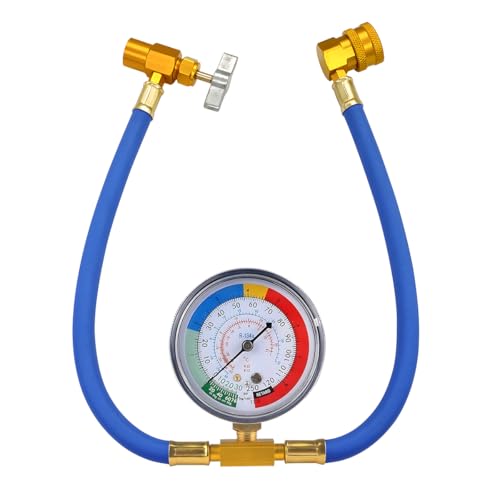
High Quality Material: This car AC refrigerant charge hose is crafted with high-strength aluminum material, which strong pressure resistance and corrosion resistance, not prone to deformation, extending the service life of the hose. Meanwhile, aluminum material has good thermal conductivity, which helps to quickly balance the temperature of the hose and the environment during filling, reducing pressure fluctuations caused by temperature differences and improving filling accuracy.
Impact of AC on Engine Performance
When your car’s AC is on, it significantly affects the performance of the engine. Let’s delve into how exactly this happens:
- Increased Load on the Engine: The AC compressor demands power to operate, putting extra strain on the engine. This can lead to a noticeable decrease in acceleration and overall power output while driving.
- Reduced Airflow: A clogged air filter can restrict the amount of air flowing into the engine. When coupled with the AC running, this reduction in airflow can impact the engine’s combustion process, affecting overall performance.
- Extra Work for the Compressor: With low refrigerant levels, the AC compressor needs to work harder to cool the cabin air. This puts additional stress on the engine, resulting in decreased power delivery.
Understanding how the AC impacts your engine’s performance can help you diagnose power loss issues more effectively.
Importance of Proper Maintenance
Proper maintenance is key to keeping your car running smoothly, especially when dealing with power loss issues when the AC is on. Here are some reasons why maintenance is crucial:
- Regular maintenance helps identify and address potential issues before they become major problems, preventing power loss scenarios caused by neglect.
- Routine checks on components like the air filter, AC system, and engine ensure everything is working efficiently, reducing the strain on your engine when the AC is in use.
- Scheduled servicing includes checking refrigerant levels, which, when low, can cause the AC compressor to overwork, affecting your engine’s performance.
- Proper care of your car’s cooling system prevents overheating, maintaining engine performance even with the AC running.
| Maintenance Statistic | Importance |
|---|---|
| Regular maintenance helps prevent power loss issues | Key |
| Routine checks ensure efficient operation | Vital |
| Checking refrigerant levels is essential for optimal performance | Crucial |
| Cooling system care prevents overheating and maintains engine performance | Necessary |
Recommended Products

Premium Quality Materials: The AC refrigerant hose is constructed from high-quality brass and durable rubber, which is resistant to high pressure and ensures excellent heat resistance and long-lasting performance for safe and efficient usage
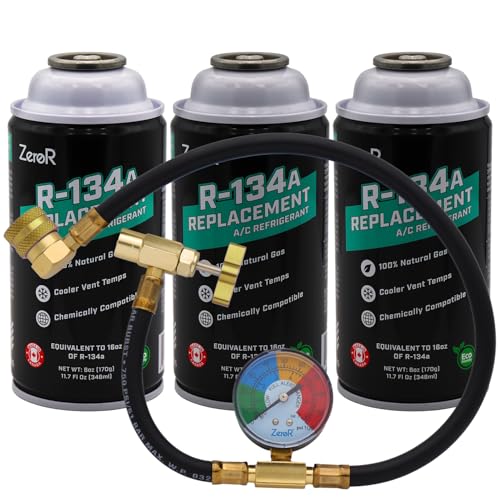
R134a Replacement - Hydrocarbon blend that is 100% natural, safe for the ozone and non global warming. Chemically compatible with R134a systems.

High Quality Material: This R134A charging hose for automotive air conditioning with pressure gauge is made of high-quality rubber material, corrosion resistance, and durability, ensuring high heat resistance built-in safety valve to prevent accidental discharge of refrigerant, reliable performance, and long-term use.
Signs of AC-related Power Loss
Having your AC on while driving is a common scenario, but have you noticed any signs of power loss when it’s running? Here are key indicators that your car may be experiencing power loss linked to the AC:
- Dimming Headlights: When your AC is on and you notice your headlights dimming, it could be a sign of power strain.
- Acceleration Challenges: Difficulty accelerating or a sluggish response from the engine when the AC is in use can point to power loss.
- Engine Overheating: Excessive heat from the engine while the AC runs might indicate power struggle affecting performance.
If you’ve noticed any of these signs, it’s essential to address the potential power loss issues associated with your car’s AC system to ensure optimal performance. Keep an eye out for these indicators to spot early warning signs and take proactive measures to maintain your vehicle’s efficiency.
Troubleshooting and Solutions
When experiencing power loss in your car with the AC on, it’s essential to troubleshoot the issue to find the root cause. Here are some common reasons and solutions to help you resolve the problem swiftly:
- Check the Belts: Over time, worn or loose belts can lead to power loss. Inspect the belts for any signs of wear and tear, and ensure they are correctly tensioned.
- Inspect the Air Filter: A clogged air filter can restrict airflow to the engine, causing a drop in power. Regularly replacing or cleaning the air filter can help maintain engine performance.
- Assess the Refrigerant Levels: Low refrigerant levels in the AC system can result in increased engine load and power loss. Have a professional check and refill the refrigerant as needed.
- Examine the Cooling System: An overheating engine due to a faulty cooling system can lead to power loss. Ensure the radiator, coolant levels, and hoses are in good condition to prevent overheating issues.
- Test the Alternator: A failing alternator can impact the vehicle’s electrical system, causing power loss. Have the alternator tested to verify its functionality and replace if necessary.
- Address Electrical Issues: Dimming headlights or flickering lights when the AC is on could indicate an electrical problem. Inspect the battery, connections, and charging system to resolve any issues.
By proactively addressing these common issues, you can maintain optimal engine performance even when the AC is running. Regular maintenance and timely repairs are key to ensuring your vehicle operates smoothly under all conditions.
Recommended Products

【POWERFUL DC to AC CONVERTER】: This solar inverter delivers 2000W of continuous battery DC 12V to AC 110V 120V power and up to 4000W of peak surge power when the load is started. The 12V inverter has a conversion efficiency of greater than 93% during normal working and low no-load losses
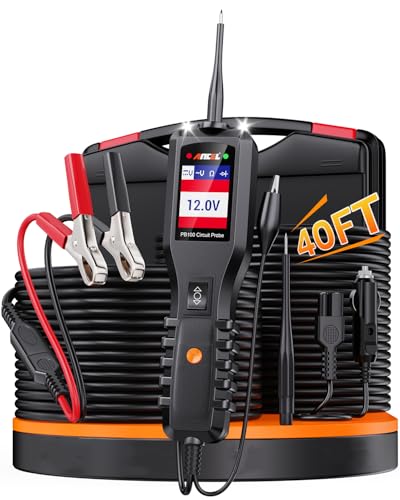
【All-in-One Power Circuit Tester for 6–30V Systems】 The ANCEL PB100 is a versatile electrical circuit tester designed for fast and easy diagnostics of automotive electrical systems. It supports voltage and polarity checks, continuity testing, signal verification, component activation, bad-ground detection, and short- & open-circuit tracking/locating. With built-in red/green polarity LEDs, audible circuit monitoring, and circuit breaker protection, it provides a safe and efficient diagnostic. This all-in-one tester is perfect for both beginners and experienced technicians, providing an efficient, complete solution for troubleshooting vehicle electrical systems.

【PURE SINE WAVE INVERTER】: The power inverter output waveform is consistent with the AC waveform of the utility grid and is suitable for inductive and capacitive loads. It extends the service life of the equipment and reduces the fault rate. Can be used with electrical equipment such as televisions, home theaters and other sensitive loads for a long time
Conclusion
By addressing common issues like checking belts, air filters, refrigerant levels, cooling systems, alternators, and electrical components, you can maintain optimal engine performance even when the AC is on. Regular maintenance and timely repairs are key to ensuring your vehicle operates smoothly. Remember, a well-maintained car not only runs efficiently but also enhances your driving experience. So, stay proactive in troubleshooting and addressing power loss concerns to keep your car in top condition.
Frequently Asked Questions
1. Why does my car lose power when the AC is on?
When the AC is on, the engine has to work harder to power the additional load, leading to power loss. Common causes include belt issues, clogged air filters, low refrigerant levels, overheating cooling systems, and problems with alternators or electrical components.
2. How can I prevent power loss with the AC on?
To prevent power loss, regularly check and maintain belts, air filters, refrigerant levels, cooling systems, alternators, and electrical components. Timely repairs and proactive maintenance can help ensure optimal engine performance even when the AC is running.
3. What should I do if my car experiences power loss with the AC on?
If your car experiences power loss when the AC is on, it is recommended to have a professional mechanic inspect and diagnose the issue. Addressing the root cause promptly can prevent further damage and ensure safe driving conditions.

Hi, I’m Charlie, and I cover all things laundry here at Appliance Mastery.
I’ve spent over eight years working on washing machines, dryers, and dishwashers. I also have a degree in mechanical engineering, which helps me understand how these appliances really work.
I try to make every guide clear and practical. If you’re stuck with a noisy dryer or a leaking washer, I’ll help you figure out what’s wrong and how to fix it.