
Have you ever jumped into the shower only to be greeted by a blast of icy water? It’s frustrating when your hot water heater just isn’t keeping up with your needs. Whether you’re washing dishes or taking a relaxing bath, running out of hot water can throw a wrench in your day.
Key Takeaways
- Common Causes of Insufficient Hot Water: Key factors include sediment buildup, thermostat issues, and heating element failure, all of which impede hot water production.
- Regular Maintenance: Flushing the tank annually can prevent sediment accumulation and ensure optimal performance for your hot water heater.
- Signs of Trouble: Look for indicators such as inconsistent water temperature, low water pressure, and unusual noises, which may signal underlying issues.
- Troubleshooting Steps: Check thermostat settings, inspect heating elements, and flush the tank to troubleshoot hot water issues before seeking professional help.
- When to Call a Professional: Seek expert assistance if you experience no hot water, strange noises, water leaks, discolored water, or significant temperature fluctuations.
Common Causes of Insufficient Hot Water
Various factors can prevent your hot water heater from supplying enough hot water. Understanding these common causes can help you troubleshoot and address the issue more effectively.
Recommended Products

LWD UNIVERSAL SCREW-IN WATER HEATER ELEMENT - This screw-in, low watt density-style heating element can be used in most replacement situations of the same wattage and voltage. It reduces lime deposit buildup when used in areas with hard water.
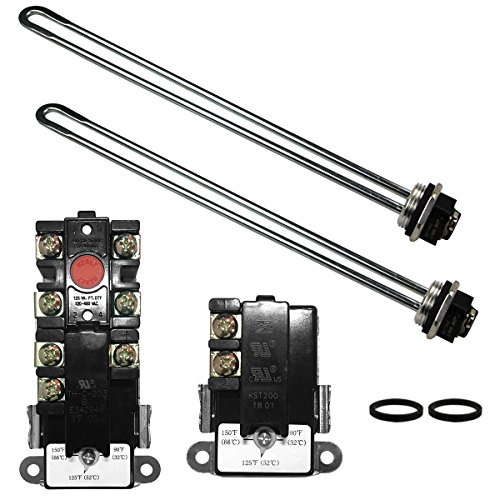
【ONE YEAR WARRANTY】Z Turn-up Kit Includes (2) 4500W 240V COPPER Water Heater Element, Insert Length: 13-9/16". 3500W@208V. Fit Most Brands of Water Heater >= 30 Gallons.

ONE YEAR WARRANTY: Contains 2 × 13-9/16inch Water Heater Element with Gaskets, 3500W@208V
Sediment Buildup
Sediment buildup in the tank can significantly impact hot water production. Mineral deposits, such as calcium and lime, accumulate over time, reducing the tank’s capacity. Flushing the tank annually helps maintain efficiency. For proper flushing, follow these steps:
- Turn off the power or gas supply.
- Connect a hose to the drain valve.
- Open the drain valve and let the tank empty.
- Flush cold water through the tank until it runs clear.
- Close the valve, refill the tank, and restore power.
Thermostat Issues
Thermostat malfunction can lead to inappropriate heating levels. If the thermostat is set too low, it won’t heat the water sufficiently. For electric heaters, check if one or both thermostats are functioning properly. Adjust the temperature setting to 120°F for optimal performance. If there’s still a problem, replacing the thermostat may be necessary.
Heating Element Failure
Heating element failure affects water heating capacity. Electric water heaters contain two elements, upper and lower. If one fails, you might run out of hot water quickly. Testing and replacing a heating element involves:
- Turning off the power supply.
- Removing the access panels and insulation.
- Using a multimeter to check for continuity.
- Replacing any faulty components with the same specifications.
Regular maintenance can help in identifying these issues early, ensuring your hot water heater operates efficiently.
Signs Your Hot Water Heater Is Struggling
Recognizing the signs of a struggling hot water heater can help you address issues before they worsen. Look for these indicators to determine if your heater needs attention.
Inconsistent Water Temperature
Inconsistent water temperature indicates that your hot water heater struggles to maintain heat. You may encounter sudden shifts from hot to cold water while showering or washing dishes. This pattern may signal a failing heating element or a malfunctioning thermostat.
Low Water Pressure
Low water pressure often accompanies insufficient hot water. If you’re experiencing weak flow from your faucets or showerheads, it could mean sediment buildup within the tank or plumbing lines. Checking for mineral deposits in your fixtures can help identify the issue.
Unusual Noises
Unusual noises from your hot water heater may signal trouble. Sounds like banging, popping, or hissing often indicate sediment buildup or issues with heating elements. Regular maintenance, such as flushing the tank, can minimize these disruptions and extend the life of your unit.
Troubleshooting Steps
Follow these steps to address issues with your hot water heater not producing enough hot water.
Recommended Products
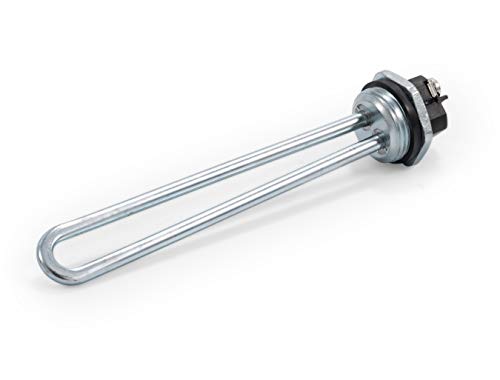
HWD Universal Screw-In Water Heater Element: This screw-in hair-pin, high watt density-style flange heating element can be used in most replacement situations of the same wattage and voltage

2xPack 【CONTENTS】 - Screw-in HWD Universal Water Heater Heating Element - Pack of 2, this thread watt density style heating element can be used in most replacement situations of the same power and voltage. Reduces lime scale build-up when used in areas with hard water.

【RV Water Heater Maintenance Kit】: Include 9.25" x 3/4" NPT Magnesium Anode Rod*1, 520900 Electric Water Heating Element*1, Dual Hex Wrench*1 and Tape*1, compatible with Suburban RV water heater parts (D, DE, DEL, DEM models), can fulfill all your needs for RV Water Heater repair, ensure optimal performance and longevity of your RV water system.
Check the Thermostat Settings
Verify the thermostat settings on your hot water heater. The recommended temperature is typically between 120°F and 140°F. If it’s set lower, increase it gradually. Avoid setting it too high to prevent scalding. After adjustments, wait a few hours and test the hot water again.
Inspect the Heating Elements
Examine the heating elements in electric water heaters. They may wear out or accumulate sediment over time. Use a multimeter to check for continuity. If there’s no continuity, replacing the element becomes necessary. For gas heaters, inspect the burner for debris and ensure it ignites properly.
Flush the Tank
Flush your hot water tank to remove sediment buildup. Start by turning off the heater and connecting a hose to the drain valve. Place the other end in a bucket or drain. Open the valve and let the water flow until it runs clear. Flushing once a year helps maintain efficiency.
When to Call for Professional Help
In some situations, you may notice serious problems with your hot water heater. At this point, it’s essential to know when to bring in a professional.
Recommended Products


Durable Construction: Made from thick, forged Lead Free brass for strength and leak prevention. Each valve set is factory-tested for reliability and long service life.

𝐑𝐢𝐬𝐤-𝐅𝐫𝐞𝐞 𝐆𝐮𝐚𝐫𝐚𝐧𝐭𝐞𝐞--𝐁𝐚𝐜𝐤𝐞𝐝 𝐛𝐲 𝟐-𝐲𝐞𝐚𝐫𝐬 𝐰𝐚𝐫𝐫𝐚𝐧𝐭𝐲 𝐟𝐨𝐫 𝐚𝐝𝐝𝐞𝐝 𝐩𝐞𝐚𝐜𝐞 𝐨𝐟 𝐦𝐢𝐧𝐝(𝐬𝐮𝐩𝐩𝐨𝐫𝐭 𝐫𝐞𝐭𝐮𝐫𝐧/𝐞𝐱𝐜𝐡𝐚𝐧𝐠𝐞)If you have any problems during guarantee period, please feel free to contact us via YOUR ORDER/ EMAIL / QA, We will reply to you within 24 hours. For whatever reason you are not satisfied, you can request 𝗮 𝗿𝗲𝗽𝗹𝗮𝗰𝗲𝗺𝗲𝗻𝘁 𝗼𝗿 𝗮 𝗿𝗲𝗳𝘂𝗻𝗱
Signs of Serious Problems
- No Hot Water: If your hot water heater produces no hot water at all, it’s a clear sign of a significant issue, such as a thermostat failure or a broken heating element.
- Strange Noises: Loud banging, popping, or hissing sounds can indicate sediment buildup or a malfunctioning heating element. Ignoring these noises often leads to more severe damage.
- Water Leakage: Puddles or dampness around the base of the heater may signal a leak, which often results from corrosion inside the tank or faulty connections.
- Discolored Water: If your hot water appears rusty or brown, it could mean that the tank is corroding and needs immediate attention.
- Unusual Temperature Fluctuations: Water that’s too hot or constantly fluctuates in temperature might indicate an issue with the thermostat. This could lead to scalding, posing a safety risk.
- Check Credentials: Look for licensed and insured professionals. Verify their qualifications to ensure they can properly service your hot water heater.
- Read Reviews: Seek out customer feedback on platforms like Google, Yelp, or Angie’s List. Authentic reviews offer valuable insights into a technician’s reliability and skill set.
- Request Referrals: Ask friends, family, or neighbors for recommendations. Personal experiences often lead you to trustworthy technicians.
- Get Multiple Quotes: Contact several professionals to compare their rates and services. This often helps you find the best option for your budget and needs.
- Evaluate Experience: During consultations, inquire about their experience with the specific brand and model of your hot water heater. Technicians familiar with your system will likely perform better.
If you notice any of these signs, it’s best to contact a qualified technician to address the issue before it escalates, ensuring your hot water heater operates efficiently.
Conclusion
Dealing with a hot water heater that’s not keeping up can be frustrating. But by understanding the common issues and keeping an eye out for warning signs, you can take proactive steps to restore your hot water supply. Regular maintenance is key to avoiding bigger problems down the line.
If you notice any significant issues it’s always a good idea to reach out to a professional. They can help diagnose the problem and recommend the best course of action. With a little attention and care you can enjoy consistent hot water when you need it most.
Frequently Asked Questions
What are common causes of losing hot water?
The most common causes of losing hot water include sediment buildup in the tank, faulty thermostats, and heating element failures. Sediment can reduce the heater’s capacity, while a malfunctioning thermostat may not heat water properly. Regular maintenance can help prevent these issues.
How can I tell if my hot water heater is struggling?
Signs of a struggling hot water heater include inconsistent water temperature, low water pressure, and unusual noises like banging or hissing. These symptoms may signal sediment buildup, heating element issues, or thermostat malfunctions, and should be addressed promptly.
What maintenance can I perform on my hot water heater?
Regular maintenance includes flushing the tank at least once a year to remove sediment buildup. Additionally, check the thermostat settings, inspect heating elements, and ensure no debris is blocking gas burners. This helps maintain efficiency and prolongs the unit’s life.
When should I call a professional for hot water heater issues?
You should call a professional if you notice no hot water, strange noises, water leakage, discolored water, or unusual temperature fluctuations. These could indicate serious problems that can worsen if not addressed by an expert.
How can I troubleshoot my hot water heater?
Start by checking the thermostat settings; they should be between 120°F and 140°F. For electric heaters, inspect the heating elements for wear and check continuity with a multimeter. For gas heaters, inspect the burner for blockages. Regular flushing is also advisable.

Hey, I’m Jake. I focus on cooling systems at Appliance Mastery, like fridges, freezers, and air conditioners.
I’ve worked in appliance repair for more than ten years and I’m certified through NASTeC. I’ve seen just about every fridge issue you can imagine.
My goal is to help you fix problems without stress. Whether it’s a freezer that won’t cool or an AC that keeps beeping, I’m here to walk you through it.