
Is your hot water immersion heater leaving you in the cold? You’re not alone. Many people face this frustrating issue, especially during those chilly mornings when a warm shower feels like a distant dream.
Key Takeaways
- Understanding Your Heater: Hot water immersion heaters directly heat water, featuring key components like heating elements, thermostats, and varying tank sizes to suit household needs.
- Common Malfunctions: Issues such as power supply problems, thermostat malfunctions, and heating element failures are frequent causes of non-functioning heaters.
- Troubleshooting Steps: Essential troubleshooting includes checking power sources, adjusting thermostat settings to 120°F, and inspecting the heating element for damage.
- Regular Maintenance: Routine maintenance like flushing the tank, inspecting components, and scheduling professional check-ups help maintain heater efficiency and prevent problems.
- Effective Usage Tips: Avoid overloading the heater, stagger hot water use, and regularly monitor temperatures to ensure optimal performance and energy conservation.
Overview of Hot Water Immersion Heaters
Hot water immersion heaters are devices designed to heat water directly. They’re commonly found in homes, offering quick access to hot water for various needs like bathing, cleaning, and cooking. These heaters typically consist of a heating element submerged in the water tank, allowing efficient heat transfer.
Recommended Products
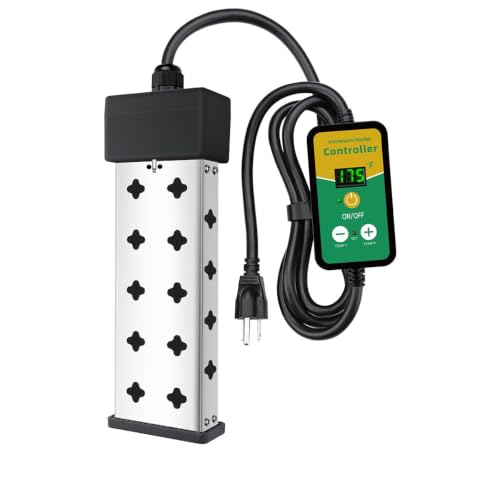
[Smart Temp Control & Real-Time Display] Upgrade your heating experience with this intelligent immersion water heater. The integrated controller features a clear LCD screen showing real-time temperature, allowing you to set a precise heat level up to 175°F. This water heater automatically stops once the target is reached, ensuring your water is exactly how you like it without constant checking.

Portable Water Heater/Immersion Heater for Camping, Travel, RV, Dorm - Fast Heating & Safe for Instant Hot Water.

✅【Fast & Efficient 1800W Heating - IMPORTANT USAGE NOTES】:This 1800W immersion heater quickly heats 5-10 gallons of water. PLEASE NOTE: The ENTIRE METAL HEATING TUBE MUST BE FULLY SUBMERGED in water before plugging in. It will automatically cycle on/off to maintain your set temperature, which is NORMAL operation. Maximum safe heating temperature is 194°F (90°C).
Key Features of Hot Water Immersion Heaters
- Heating Element: Most immersion heaters use electric coils that heat water when activated. The power rating usually ranges from 1,000 to 3,000 watts.
- Thermostat: This component regulates the water temperature, turning the heating element on and off to maintain your desired warmth.
- Tank Size: Tanks come in various capacities, generally from 10 to 100 gallons, accommodating different household needs.
- Insulation: Quality insulation minimizes heat loss, ensuring water stays warm longer and energy usage remains efficient.
Types of Hot Water Immersion Heaters
- Direct Immersion Heaters: These directly heat water in a tank. They’re quick and efficient, providing almost instant hot water.
- Indirect Immersion Heaters: These rely on a separate heating source, like a boiler. Water flows through pipes heated by the boiler, reaching the tank.
Common Problems with Hot Water Immersion Heaters
- Power Issues: Ensure the unit is receiving power. Check circuit breakers and fuses for tripped circuits.
- Thermostat Malfunctions: A faulty thermostat may lead to inconsistent water temperatures or no heat at all.
- Sediment Buildup: Over time, minerals can accumulate in the tank, insulating the heating element and reducing efficiency.
- Regular Flushing: You should flush the tank every six months to remove sediment buildup.
- Inspect Components: Check the heating element and thermostat periodically for signs of wear.
- Temperature Settings: Maintain the thermostat at 120°F for optimal performance and energy savings.
By understanding how hot water immersion heaters function and their potential issues, you can take measures to ensure they operate effectively and efficiently.
Common Reasons for Malfunction
If your hot water immersion heater isn’t working, several common issues may cause the problem. Understanding these can help you troubleshoot effectively.
Recommended Products
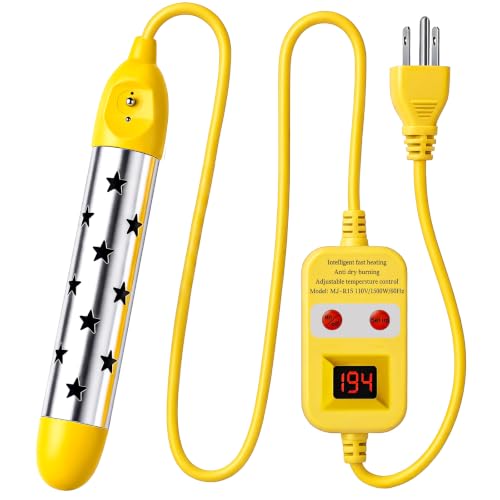
⚡ Hot Water in Minutes: Powered by a true 1500W element, this heater raises 5 gallons of cold water from 68°F to 86°F in just minutes – dramatically cutting down your waiting time. Whether you need hot water for foot soaking, cleaning, or quickly warming up a small pool, it gets the job done instantly – making hot water access convenient and enjoyable

Ultimate Safety: Anti-Dry Burn & Auto Shut-off: Safety is paramount for any portable immersion water heater. Our device is equipped with advanced anti-dry burn technology that cuts power instantly if the water level is too low. As a reliable water immersion heater, it also features an intelligent thermostat: it stops at your set temp and restarts if the water drops by 15°F, providing consistent warmth safely.

Power Supply Issues
Power supply issues often stem from tripped circuit breakers or blown fuses. You should check the breaker box to see if any switches are off. If a fuse has blown, replacing it is a simple fix. Ensure the power outlet is functioning by testing it with another device. Loose or damaged wiring can also disrupt power flow, so inspect the connections. If everything looks normal but the heater still doesn’t operate, consider consulting a professional.
Thermostat Problems
Thermostat problems can result in insufficient heating. If the thermostat is set too low, hot water won’t be adequately produced. Adjust the thermostat to 120°F for optimal performance. Additionally, faulty thermostats can lead to erratic heating. If your unit turns off unexpectedly or doesn’t heat, the thermostat may need replacement. Testing with a multimeter can indicate whether the thermostat is functioning correctly.
Heating Element Failure
Heating element failure can prevent water from heating altogether. Signs of this include lukewarm water or strange noises coming from the unit. To check the heating element, first, turn off power to the heater. Then, remove the access panel and examine the element for corrosion or breakage. If damaged, replacing the heating element is essential. Make sure to follow safety precautions and, if necessary, hire a professional for tasks beyond your expertise.
Troubleshooting Steps
Follow these troubleshooting steps to diagnose and resolve issues with your hot water immersion heater.
Recommended Products

✅2000W SUPER FAST HEATING - 2000W immersion water heater voltage is 110-125V AC. When you go out camping or traveling, the high-power barrel water heater can quickly heat up to 5 gallons of water in a few minutes, saving you time and electricity consumption, and meeting your daily needs for hot water. If the amount of water is large, just increase the heating time.

☕High Quality--Our immersion heater is made from high-quality stainless steel. It heats water quickly and has a corrosion resistive stainless steel body that keeps it away from rusting.High working efficiency and low energy consumption.

[⚠️ Warning]:Dry burning is strictly forbidden. Always submerge the entire heating body in water prior to power connection. Unplug the heater first before taking it out of water. Do not leave the unit unattended while heating.
Inspecting the Power Source
Check the power source first. Look for tripped circuit breakers or blown fuses. To do this, open the breaker box and inspect each breaker. Reset any tripped breakers by switching them off and then back on. If a fuse is blown, replace it with a fuse of the same rating. Also, examine the power outlet for damage or loose connections. Use a multimeter to verify the outlet is delivering power if necessary.
Testing the Thermostat
Next, test the thermostat settings. Ensure the thermostat is set to the desired temperature, typically around 120°F. A miscalibrated thermostat may prevent proper operation. If the settings are correct, check for signs of malfunction. Listen for clicking noises when adjusting settings, which indicate the thermostat is functioning. If no sound occurs, consider replacing the thermostat for optimal performance.
Examining the Heating Element
Finally, examine the heating element. Start by turning off power to the heater for safety. Remove the access panel to access the heating element. Visually inspect the element for signs of damage, like corrosion or discoloration. Use a multimeter to check for continuity; a lack of continuity signals a faulty element. If the element isn’t working, replace it with a new one that matches the specifications of your heater.
These steps help diagnose common issues and ensure your hot water immersion heater operates efficiently.
Prevention Tips
Taking steps to prevent issues with your hot water immersion heater can save time and ensure reliable performance. Implementing regular maintenance practices and following proper usage guidelines helps keep your heater running smoothly.
Regular Maintenance
- Flush the Tank Annually: Flushing the tank removes sediment buildup that can affect heating efficiency. Use a bucket to drain a few gallons of water from the tank and then refill it.
- Inspect Components Quarterly: Examine the heating element, thermostat, and wiring for signs of wear or damage. Look for frayed wires or corrosion, which can lead to malfunction.
- Test the Thermostat: Check thermostat settings periodically. Ensure it’s set to 120°F for optimal performance and energy efficiency.
- Check Insulation: Ensure that the tank and pipes are insulated properly. Use foam insulators to cover unprotected areas, reducing heat loss.
- Schedule Professional Inspections: Arrange for a professional service at least once a year. A qualified technician can identify potential issues before they escalate.
- Avoid Overloading the Heater: Use the heater within its capacity. Filling it beyond recommended limits can strain the heating element and cause overheating.
- Limit Hot Water Draw: Be mindful of how much hot water you use at one time. Stagger hot water use for showers, dishes, and laundry to prevent excessive demand.
- Adjust Settings Wisely: If you plan to be away, lower the thermostat setting. This conserves energy while ensuring it’s ready for use upon your return.
- Keep the Area Clear: Maintain a clear space around the heater. Avoid stacking items against it to ensure proper airflow and reduce fire hazards.
- Monitor Temperature Regularly: Use a thermometer to check the water temperature. Regular monitoring helps confirm proper heating and prevents scalding risks.
By integrating these prevention tips into your routine, you enhance the longevity and efficiency of your hot water immersion heater.
Conclusion
Dealing with a hot water immersion heater that isn’t working can be frustrating but don’t lose hope. By following the troubleshooting steps and maintenance tips discussed, you can get your heater back in action. Regular checks and simple adjustments can save you from larger issues down the line.
Remember to inspect the power source and thermostat settings regularly. Keeping up with maintenance will not only improve your heater’s efficiency but also extend its lifespan. With a little care and attention, you’ll be enjoying those warm showers again in no time. Stay proactive and your immersion heater will serve you well for years to come.
Frequently Asked Questions
What is a hot water immersion heater?
A hot water immersion heater is a device that heats water directly, typically using a heating element. It’s commonly used in homes for tasks such as bathing, cleaning, and cooking. These heaters can be found in various sizes and configurations, catering to different household needs.
What are common problems with immersion heaters?
Common issues with immersion heaters include power supply problems, thermostat malfunctions, and sediment buildup. Users may experience insufficient hot water, heating element failure, or inconsistent temperatures due to these problems, often requiring troubleshooting to identify the root cause.
How can I troubleshoot my immersion heater?
To troubleshoot your immersion heater, check the power supply for tripped circuit breakers or blown fuses. Test the thermostat settings for proper calibration, and inspect the heating element for signs of damage. Following these steps can help you identify and fix common issues efficiently.
How often should I maintain my immersion heater?
It’s recommended to perform maintenance on your immersion heater at least once a year. Regular flushing of the tank, inspecting components quarterly, and checking thermostat settings can help ensure optimal performance and prevent common issues.
What temperature should I set my immersion heater’s thermostat?
To maintain efficiency and safety, it’s advisable to set your immersion heater’s thermostat to around 120°F. This temperature helps prevent scalding while ensuring adequate hot water is available for everyday tasks.

Hey, I’m Jake. I focus on cooling systems at Appliance Mastery, like fridges, freezers, and air conditioners.
I’ve worked in appliance repair for more than ten years and I’m certified through NASTeC. I’ve seen just about every fridge issue you can imagine.
My goal is to help you fix problems without stress. Whether it’s a freezer that won’t cool or an AC that keeps beeping, I’m here to walk you through it.