
Ever wondered why your dishwasher pods seem to have a mind of their own, refusing to dissolve properly? Picture this: you load up the dishwasher, pop in a pod, start the cycle, and voilà! Instead of a clean load of dishes, you’re left with a stubborn pod casing clinging on for dear life. Frustrating, right?
In this article, you’ll uncover the mystery behind why dishwasher pods sometimes fail to dissolve as expected. You’ll learn the common reasons behind this pesky issue and discover practical tips to ensure your dishwasher pods do their job effectively. Say goodbye to half-dissolved pods and hello to sparkling clean dishes with the insights you’ll gain here.
Poor Water Quality
When it comes to dishwasher pods not dissolving properly, Poor Water Quality can be a significant factor. Hard water, which contains high levels of minerals like calcium and magnesium, can make it harder for the pod to dissolve completely.
In areas with hard water, these minerals can react with the detergent in the pod, creating a residue that prevents it from dissolving as it should. If you suspect hard water might be the issue, consider using a water softener or a rinse aid in your dishwasher to help improve dissolving performance.
Additionally, low water temperature can also impact the effectiveness of dishwasher pods. Hot water helps dissolve the detergent and activate the cleaning agents in the pod efficiently. If your dishwasher’s water temperature is too low, it may not be hot enough to dissolve the pod thoroughly. Ensure your dishwasher’s water temperature is at the recommended level for optimal performance.
Remember, addressing poor water quality and ensuring the right water temperature in your dishwasher can go a long way in helping your dishwasher pods dissolve properly.
Incorrect Placement in the Dishwasher
When dishwasher pods are placed incorrectly in the dishwasher, they might not dissolve properly. Here’s what you need to keep in mind:
- Dispenser Compartment: Make sure to properly seat the pod in the designated dispenser compartment. Placing it loosely in the bottom of the dishwasher can prevent it from dissolving effectively.
- Facing Direction: Check the instructions on the pod packaging for the recommended facing direction. Placing the pod upside down or sideways can impede its ability to dissolve completely.
- Obstructions: Avoid placing large dishes or utensils in front of the dispenser. These items can block water flow and prevent the pod from dissolving as intended.
Recommended Products

AT YOUR FINGERTIPS: Holds 50+ dishwasher pods with an accessible, flip-down bin that hangs on cabinet doors

THOUGHTFUL DESIGN: Top lid opens to load dispenser with multiple sponges. Bottom lid opens to load holder with dishwasher pod tablets and can be tucked under the top lid to remain open for extended use. Bottom compartment includes slanted floor to push items to front of dispensing area to retrieve contents hassle-free. No assembly necessary - dispenser can be used on any level surface with provided non-skid rubber bumpers to eliminate sliding.
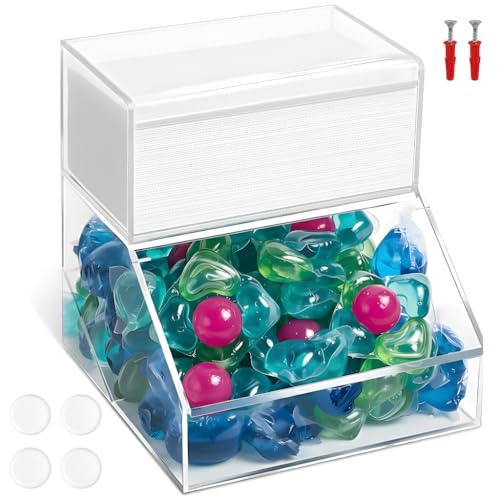
DUAL COMPARTMENT: 2-in-1 design features top compartment for dryer sheets and bottom compartment for dishwasher/laundry pods, maximizing storage efficiency
Overloading the Dishwasher
Overloading the Dishwasher can lead to dishwasher pods not dissolving properly. When the dishwasher is packed too tightly, water spray may not reach all areas effectively, including the dispenser where the pod is located.
In an overloaded dishwasher:
- Dishes may block the spray arms, preventing the water from reaching the dispenser.
- Items could shift during the wash cycle, potentially covering the dispenser or causing pods to get stuck and not dissolve as they should.
To prevent this issue:
- Ensure dishes are properly spaced for water to reach all areas.
- Load dishes according to the dishwasher’s manual for optimal performance.
- Avoid overcrowding to allow for proper water circulation.
Keep these tips in mind to optimize dishwasher pod dissolution and achieve cleaner dishes.
Recommended Products

CLEAN & SHINE EVERYDAY: Finish Classic Dishwasher pods s great for tackling everyday greasy steel pans, wine glasses, plastic meal prep containers, glass storage containers, and more

Our best dishwasher detergent for up to 100% Food Residue Removal

Cascade Platinum ActionPacs dishwasher detergent cleans burnt-on messes in just one wash, with no pre-wash needed.
Low Water Temperature
When your dishwasher runs with low water temperature, it can contribute to dishwasher pods not dissolving properly. The ideal water temperature for a dishwasher should be around 120°F for optimal performance. If the water temperature is too low, dishwasher pods may not dissolve fully, leaving behind residue on your dishes. This can happen because the heat plays a crucial role in activating the detergent in the pods. When the water is not hot enough, the pod might not dissolve completely, leading to a less effective cleaning cycle.
To address this issue, you can check your water heater settings to ensure that the water temperature is set appropriately. Additionally, you can consider using a dishwasher detergent booster specifically designed to enhance cleaning in low water temperatures. By taking these steps, you can help improve the dissolving of dishwasher pods and achieve cleaner dishes after each wash cycle.
Remember, maintaining the right water temperature can go a long way in ensuring your dishwasher pods dissolve properly, leading to sparkling clean dishes every time.
Recommended Products

Powerful cleaning action cuts through tough grease, grime and food stains leaving dishes looking brand new. Our Industrial dish detergent dissolves food soils and emulsifies fats in no time.

EFFECTIVE: Our ultra-concentrated 2-in-1 powder formula is designed with the most advanced bioenzymes and biobased ingredients to break down tough messes and stubborn stuck on food -- without the harsh chemicals. Our dishwash detergent is optimized for quick wash cycles and delivers a brilliant spot-free finish in less time.
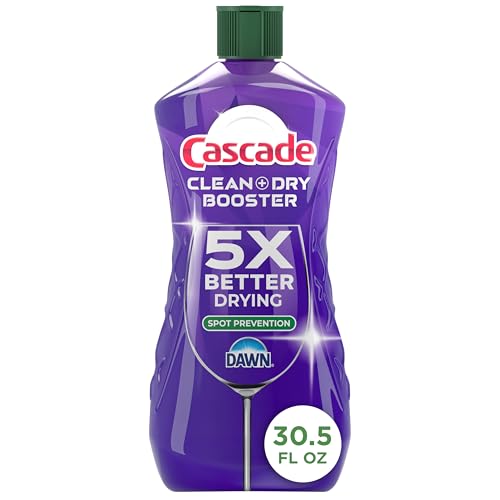
5X DRYING POWER: Cascade Clean & Dry Booster has 5x the drying power of detergent alone, preventing spots and water on dishes.
Facts and Figures
| Water Temperature | Ideal |
|---|---|
| Minimum | 120°F |
Conclusion
Ensuring your dishwasher runs at the right water temperature is key to having your dishwasher pods dissolve effectively. Remember, a water temperature of around 120°F is optimal for top-notch performance. If your water temperature is too low, those pods might not dissolve completely, leaving residue on your dishes. To combat this, consider adjusting your water heater settings and using a dishwasher detergent booster for lower temperatures. By maintaining the ideal water temperature, you’ll guarantee that your dishwasher pods dissolve as they should, giving you spotless dishes after each wash cycle.
Frequently Asked Questions
What is the impact of low water temperature on dishwasher pod dissolution?
Low water temperature hinders dishwasher pod dissolution. Ideal water temperature for a dishwasher is 120°F. If the temperature is too low, pods may not dissolve fully, leaving residue on dishes.
How can I address the issue of low water temperature affecting dishwasher pod dissolution?
Adjust water heater settings to ensure water temperature reaches 120°F. Consider using a dishwasher detergent booster designed for low temperatures to aid in pod dissolution.
Why is maintaining the right water temperature crucial for dishwasher pod dissolution?
Proper water temperature is essential as heat activates detergent in pods. Ensuring correct water temperature allows for effective dissolution of dishwasher pods and results in cleaner dishes after each wash cycle.

Hi, I’m Charlie, and I cover all things laundry here at Appliance Mastery.
I’ve spent over eight years working on washing machines, dryers, and dishwashers. I also have a degree in mechanical engineering, which helps me understand how these appliances really work.
I try to make every guide clear and practical. If you’re stuck with a noisy dryer or a leaking washer, I’ll help you figure out what’s wrong and how to fix it.