
Resetting the UO error code on a Daikin system starts with correcting low refrigerant levels through pressure checks and a controlled recharge. Owners complete this process by isolating the leak source then restoring proper charge amounts to clear the fault without repeated triggers.
The method avoids unnecessary part replacements and restores cooling performance across split and ducted models. Proper execution also prevents compressor damage from continued operation under reduced charge conditions.
Daikin UO Refrigerant Pressure Diagnosis Steps
Low refrigerant triggers the UO code when system pressures fall below safe operating thresholds on Daikin equipment. Technicians confirm this condition by attaching gauges to service ports and comparing readings against model specifications. Accurate diagnosis prevents misdirected repairs that waste time and materials. Multiple checks during different load conditions reveal intermittent issues tied to temperature swings.
Owners should record ambient temperatures alongside pressure values for reliable interpretation. This step establishes whether the code stems from a slow leak or an initial undercharge during installation.
Prepare Daikin Repair Tools and Supplies
Before addressing the UO error code on a Daikin unit triggered by low refrigerant, assemble the required repair tools and supplies. Proper preparation supports accurate diagnosis and safe handling of the refrigerant issue. This step minimizes risks and streamlines the reset process for effective results.
Successful resets depend on having the correct equipment ready before opening the system. The following table lists essential items for the job.
| Item | Purpose | Quantity |
|---|---|---|
| Manifold gauge set | Measure suction and discharge pressures | 1 |
| Vacuum pump | Remove moisture and air from lines | 1 |
| Refrigerant scale | Weigh exact charge amounts | 1 |
| Leak detector | Locate refrigerant escape points | 1 |
| Recovery cylinder | Safely capture existing refrigerant | 1 |
These tools allow precise work that meets manufacturer guidelines. Missing any item extends downtime and risks incomplete repairs.
Daikin Refrigerant Safety Gear and Power Shutoff
Addressing the UO error code reset for low refrigerant in Daikin units requires careful attention to safety protocols first. Technicians need to equip themselves with appropriate gear and ensure the power is fully shut off before proceeding with any diagnostic steps. These measures protect against potential hazards associated with refrigerant handling.
Safety protocols protect both the technician and the equipment during refrigerant handling. Wear protective gloves and eyewear while working with pressurized lines. Shut off power to the indoor and outdoor units at the breaker before connecting any gauges.
Verify that the area has adequate ventilation to disperse any released refrigerant. Confirm the correct refrigerant type listed on the unit data plate to avoid mixing incompatible gases. These measures reduce the chance of injury or system contamination.
Daikin Coil Leak Detection for Refrigerant Loss
Coil leaks represent the most common source of gradual refrigerant loss on Daikin units. Begin by cleaning the outdoor coil surface to expose any visible oil stains or corrosion marks. Apply an electronic leak detector along all brazed joints and flare connections while the system runs at low load.
Document every suspected location with photos for later reference during repair. Small pinhole leaks often appear first at the evaporator return bends after several years of operation. Addressing these points early stops repeated UO code activations.
Daikin Vacuum Evacuation and Charge Weigh In
Recharge follows leak repair and requires measured steps to restore factory specifications. Evacuate the repaired section to 500 microns or lower using the vacuum pump. Weigh in the exact refrigerant quantity specified on the nameplate while monitoring superheat and subcooling values.
Adjust the charge in small increments until target pressures stabilize. Run the system for fifteen minutes after the final addition to confirm steady operation without the UO fault returning.
Test Daikin UO Code Final Reset
After addressing the low refrigerant issue in your Daikin system the next step involves testing the final reset for the UO error code. This process confirms whether the reset has successfully cleared the fault and restored normal operation. Follow the outlined procedures carefully to verify the system’s status.
Final verification confirms the repair eliminated the underlying cause. Restore power and clear any stored codes through the remote or service mode. Operate the unit across multiple modes for at least thirty minutes while watching pressure readings.
A stable system without code recurrence indicates successful completion. Schedule a follow-up check after one week of normal use to catch any slow leaks missed during initial inspection.
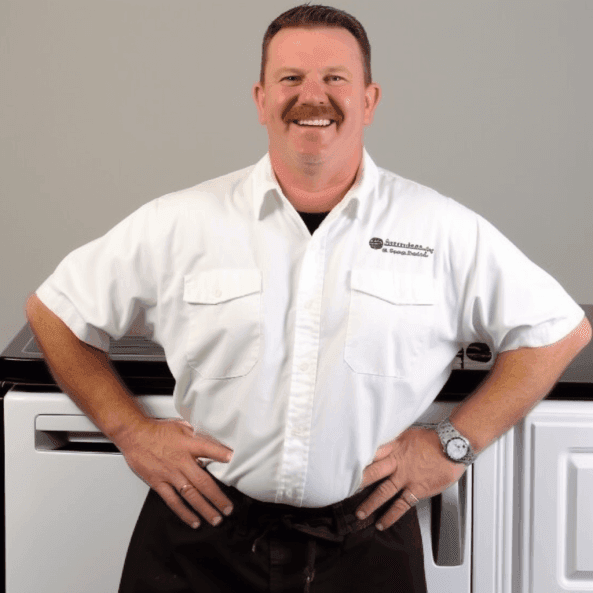
Hey, I’m Jake. I focus on cooling systems at Appliance Mastery, like fridges, freezers, and air conditioners.
I’ve worked in appliance repair for more than ten years and I’m certified through NASTeC. I’ve seen just about every fridge issue you can imagine.
My goal is to help you fix problems without stress. Whether it’s a freezer that won’t cool or an AC that keeps beeping, I’m here to walk you through it.