
Why dishwasher drying results depend on the selected option

Before assuming a fault, separate the selected drying method from the result you expected.
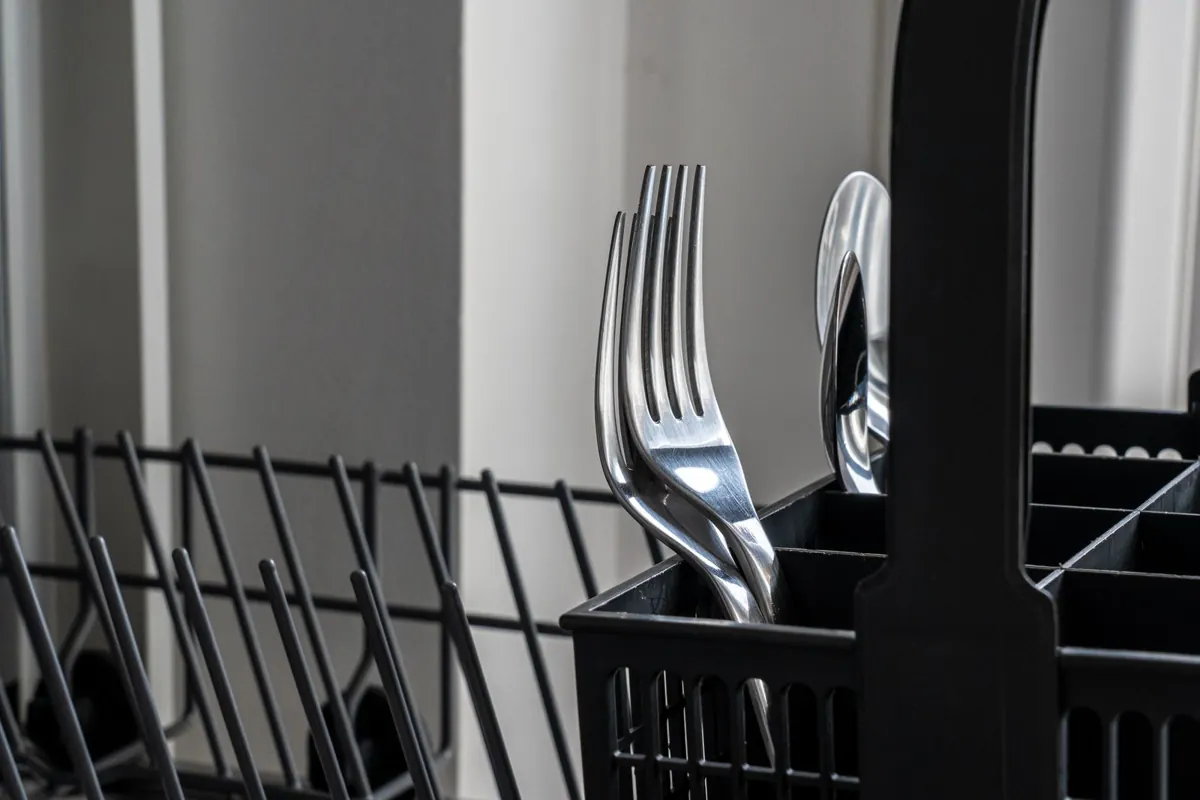
Washing and drying are separate stages
Water droplets after a cycle do not by themselves identify a failed heater. Models use different combinations of heat, condensation, airflow and automatic door opening. Some options deliberately use less heat. Read the model’s drying description before comparing it with a previous machine.
What you can check without a repair
- The selected cycle and drying option.
- Whether the load included items with hollows that collect water.
- Whether items were nested or touching in a way that held water.
- The manual’s instructions for rinse aid and dishwasher-safe materials.
ENERGY STAR suggests a no-heat drying option where appropriate to save energy. The trade-off can be a different drying result. Do not prop a door open if that conflicts with the manual or creates a child, pet, steam or trip hazard.
Describe the change clearly
“Plastic containers retain droplets” and “all dishes suddenly stay cold and wet on the same setting” are different observations. Note what actually changed. Avoid opening panels, testing live parts or replacing a heater based only on a wet plate.
Use the service-call worksheet for a persistent change or warning sign.
Describe the result before guessing the part
What stayed wet?: Distinguish droplets on plastic or in a hollow base from a broad change affecting the whole load.
Which option ran?: Note the actual cycle and drying selection, not just the program duration.
What changed?: Compare the load arrangement and model instructions for materials and rinse aid. Persistent change or warnings belong in a service note.
Sources and limits
This is an editorial summary of the guidance below, not a report of hands-on testing. Your exact model’s manual takes precedence for care procedures.