Thermostat setting or room temperature? Record both

A clear description of the controls and the room helps more than guessing which component has failed.
A setting is a request, not a room measurement
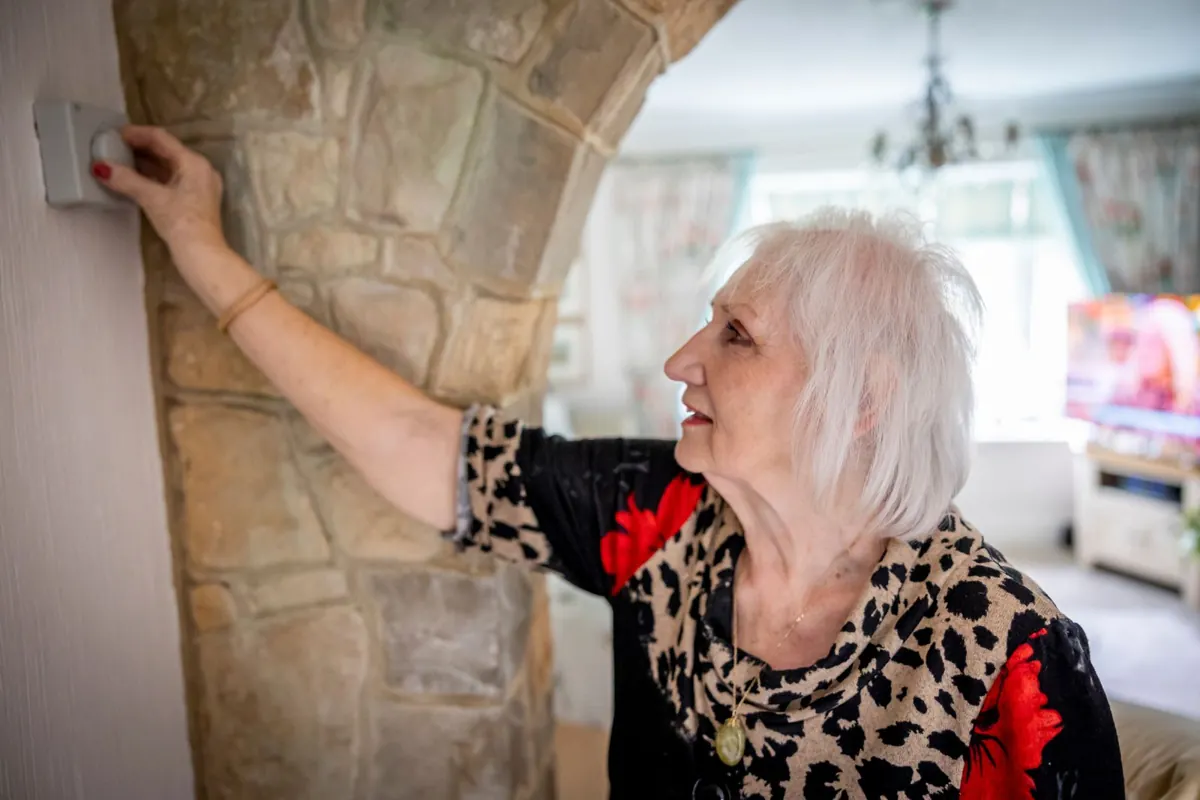
The set temperature tells the system what you are asking it to do. A displayed room temperature may reflect the sensor at the thermostat, not every bedroom or a sunny corner. Write down both values if the control shows them.
Look for ordinary sources of a misleading reading
The Department of Energy advises avoiding heat-emitting appliances such as lamps or televisions near a thermostat because that extra heat can affect operation. Notice nearby heat sources or direct sun without moving wiring or relocating the control.
Check the schedule before calling it a fault
A programmed setback, hold mode or a changed clock can explain why a setting is different from yesterday. Use the exact thermostat manual to inspect user settings. Do not factory-reset the control or alter installer settings to investigate a comfort complaint.
Describe the room, not a suspected part
Useful notes include which room feels different, the time, the setpoint, the displayed room temperature and whether the issue is new. A hot room is not proof of low refrigerant. Persistent problems, alarms or repeated protective trips belong with qualified service.
Create a service-call summary without dismantling anything.
A note a service provider can actually use
Observation template
When and where: date, time and affected room.
Control: selected mode, setpoint, displayed room temperature and whether a schedule or hold is active.
Change: when the difference began; which rooms are affected; any accessible displayed message.
Context: an open door, recent setting change or nearby heat source you already noticed. Do not reproduce a fault or open equipment to complete the note.
Keep the units with each reading. A thermostat display and a separate room thermometer may be measuring different locations, so a difference between them is not, by itself, proof that either device has failed. Report the readings and locations rather than adjusting calibration or installer settings.
Sources and limits
This is an editorial summary of the guidance below, not a report of hands-on testing. Your exact model’s manual takes precedence for care procedures.