
Ever wondered if your dryer vent can go down instead of up? Picture this: you’ve just moved into a new home, and the laundry room is located in the basement. You’re left pondering, can the dryer vent be directed downwards? In this article, we’ll unravel the mystery and shed light on whether a downward dryer vent is a feasible option for your setup.
Imagine the convenience of having your dryer vent positioned downward, saving you from complex routing and potential space constraints. With our guidance, you’ll discover the possibilities and implications of redirecting your dryer vent downwards. Stay tuned to explore the practicality and advantages of this alternative configuration.
Understanding Dryer Vent Installation
To ensure your dryer functions efficiently and safely, proper vent installation is crucial. Here’s what you need to know:
- Venting Downward: Yes, a dryer vent can go down, but there are specific guidelines to follow for this setup.
- Vent Material: Use rigid metal or flexible metal ducting to guide the airflow downwards.
- Slope Considerations: Maintain a slight downward slope to prevent lint buildup and ensure smooth airflow.
- Key Installation Steps:
- Securely connect the vent to the dryer outlet.
- Avoid sharp angles or bends to maintain airflow.
- Install a vent hood at the exterior end to prevent debris entry.
- Common Issues: Inadequate slope, improper material, or blockages can hinder proper venting. Regular maintenance is key.
By following these installation tips, you can safely redirect your dryer vent downward for improved functionality.
Benefits of Redirecting a Dryer Vent Downwards
When it comes to dryer vent installation, considering redirecting the vent downwards can offer several advantages. Below are some benefits you may want to take into account:
- Improved Airflow: Redirecting the dryer vent downwards can enhance airflow efficiency, allowing moisture and heat to flow out more effectively.
- Space-Saving: Choosing a downward vent direction can be beneficial in tighter spaces or areas where traditional venting may not be feasible.
- Prevention of Blockages: By directing the vent downwards, you can reduce the likelihood of lint accumulation and blockages that can impede proper ventilation.
- Enhanced Safety: Proper venting is crucial for preventing potential fire hazards. Redirecting the vent downwards can contribute to a safer operating environment by minimizing blockages.
- Durability: Ensuring proper venting by redirecting it downward can extend the lifespan of your dryer by reducing strain on the system.
If you’re considering redirecting your dryer vent downwards, these benefits highlight why this approach can be a practical and beneficial choice for efficient and safe dryer operation.
Factors to Consider Before Directing a Dryer Vent Downward
When deciding whether a dryer vent can go down, there are essential factors to ponder. Here’s what you need to consider:
- Ventilation Requirements: Ensure the downward path doesn’t impede airflow.
- Length of the Vent: A longer vent might affect efficiency if directed downwards.
- Condensation Concerns: Check for potential condensation buildup with a downward route.
- Maintenance Access: Evaluate if downward positioning hinders vent inspection and cleaning.
- Installation Space: Ensure there’s ample room for proper installation.
Remember these key points before choosing to direct your dryer vent downwards.
You’re now equipped with the factors crucial for making an informed decision on directing your dryer vent downward.
Recommended Products

STANDARD 4-INCH COMPATIBILITY: Designed for residential 4-inch dryer vent installations using standard 4-inch ducting. Suitable for laundry rooms where additional dryer clearance is needed while helping maintain a more direct dryer vent duct path and easier dryer placement.
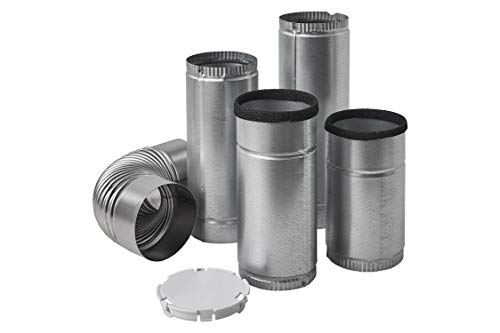
LAUNDRY VENT KIT: Side Vent Kit for Electric and Gas Dryers

【Quick Connect & Disconnect】With its innovative strong magnets self-align mechanism, ideal for quick connecting/disconnecting of dryer vent hose. Provides easy access for routine dryer vent cleaning, eliminating kinked, lint-filled dryer flex pipe, instantly reducing the risk of dryer fires in your home!
Possible Challenges of Having a Dryer Vent Go Down
When contemplating redirecting your dryer vent downward, there are some potential challenges that you should be aware of to ensure optimal performance and safety. Here’s what you need to consider:
- Increased Risk of Lint Build-Up: By having a dryer vent go down, there is a higher likelihood of lint accumulation within the vent system. This can lead to reduced airflow and efficiency, posing a potential fire hazard.
- Condensation Concerns: Redirecting the vent downward can result in condensation buildup within the vent, especially if not properly insulated. This excess moisture may lead to mold growth and air quality issues.
- Maintenance Accessibility: A dryer vent that goes down can make it harder to access for regular maintenance, such as cleaning and inspections. Ensuring easy access is essential to prevent blockages and maintain efficiency.
- Vent Length Impact: The length of the vent is crucial when it goes downward, as an extended vent run can increase energy consumption and drying times. It’s vital to minimize the vent’s length while still meeting safety requirements.
- Installation Challenges: Installing a downward dryer vent may pose installation obstacles due to space constraints or structural limitations. Adequate space and proper support are essential to prevent kinks or bends that can restrict airflow.
Addressing these challenges proactively can help you make an informed decision about whether redirecting your dryer vent downward is the right choice for your home.
Recommended Products

Home Essentials: Holikme dryer vent cleaner kit can easily help you to remove years of built up lint from your dryer vent, making your appliance runs more efficiently and securely; Suitable for most dryer types, please kindly check our product size information for reference in order to better shopping experience

Home Essentials: Fireplace chimney brushes includes two high quality synthetic brush head and flexible rods that extend up to 30 feet

【3-Piece High-Value Set】 — Includes vent duct brush, lint trap brush, and flexible crevice tool. One kit replaces multiple single-purpose brushes — better value than buying separately.
Exploring Alternatives for Efficient Dryer Ventilation
When considering options for efficient dryer ventilation, it’s important to explore different alternatives that can help optimize your dryer’s performance. Here are some practical suggestions to enhance your home’s ventilation system:
- Ventless Dryers: Consider investing in a ventless dryer that eliminates the need for an external vent, providing more flexibility in placement within your home.
- Interior Ventilation Systems: Explore interior dryer venting options that redirect moist air to a designated area inside your home, eliminating the need for an external vent.
- Proper Maintenance: Regularly clean your dryer vent to prevent lint build-up and ensure efficient air flow, reducing the risk of fire hazards.
- Vent Booster Fans: Install a vent booster fan to improve air circulation and reduce drying time for your laundry loads.
Incorporating these alternatives into your home’s dryer ventilation system can help enhance efficiency and reduce potential challenges associated with downward venting.
Recommended Products

【CUT DRYING TIME BY 40% & SAVE 30% ENERGY】Boost your dryer’s efficiency instantly! Delivering a powerful 160 CFM airflow, this booster fan is the ultimate solution for long or winding duct runs over 25ft. By maximizing exhaust flow, it directly reduces your laundry drying time by up to 40% and cuts energy consumption by 30%, saving you significant money on utility bills while extending your dryer’s lifespan.

【2026 New Upgrade 】We have pre-wired the pressure activation switch directly to this automatic dryer vent booster. This upgrade eliminates manual wiring, dramatically reduces installation steps, and saves your time. Simply mount this dryer booster fan 4 inch into your existing ductwork, and it's ready to operate – no complicated connections, no extra tools, just plug-and-play performance.
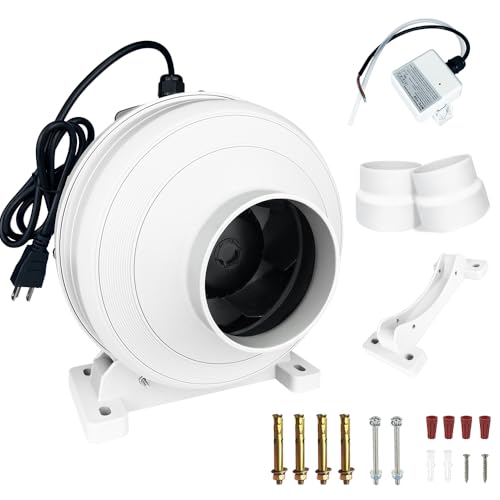
260CFM Powerful Airflow Boost: Effectively enhances dryer vent airflow to 260CFM, solves slow drying, lint buildup and poor exhaust issues for long or elbowed ducts, effectively boosting drying efficiency and reducing lint buildup
Conclusion
Redirecting your dryer vent downward poses challenges like lint accumulation, condensation issues, and limited maintenance access. To ensure efficient dryer ventilation, consider alternatives such as ventless dryers, interior venting systems, regular maintenance, and vent booster fans. These options can enhance airflow, reduce drying time, and minimize the drawbacks of downward venting. By exploring these alternatives, you can optimize your dryer’s performance and maintain a safe and functional laundry area.
Frequently Asked Questions
Can I redirect my dryer vent downward?
Redirecting a dryer vent downward can lead to lint build-up, condensation issues, and mold growth due to trapped moisture. It is not recommended as it can compromise dryer efficiency and pose safety hazards.
What are the alternatives for efficient dryer ventilation?
Consider using ventless dryers, interior venting systems, regular maintenance, and vent booster fans to improve air circulation and reduce drying time. These alternatives can enhance efficiency and mitigate potential challenges associated with downward venting.

Hi, I’m Charlie, and I cover all things laundry here at Appliance Mastery.
I’ve spent over eight years working on washing machines, dryers, and dishwashers. I also have a degree in mechanical engineering, which helps me understand how these appliances really work.
I try to make every guide clear and practical. If you’re stuck with a noisy dryer or a leaking washer, I’ll help you figure out what’s wrong and how to fix it.