
Is your electric stove taking forever to heat up? You’re not alone. Many people face this frustrating issue, turning what should be a simple cooking experience into a battle against time. Whether you’re trying to whip up a quick dinner or bake a special treat, a stove that won’t heat properly can throw a wrench in your plans.
Key Takeaways
- Common Issues: Electric stoves not heating up properly can result from faulty heating elements, electrical connection problems, or control switch malfunctions.
- Diagnostic Steps: Check the power supply and heating elements visually and using a multimeter to identify malfunctions or damages.
- Replacement Solutions: Replacing damaged heating elements or fixing electrical connections can significantly improve your stove’s heating performance.
- Control Settings Adjustment: Ensure that control settings and temperature adjustments are correct for optimal heating functionality.
- Preventative Maintenance: Regular cleaning and routine inspections can help maintain your stove’s efficiency and prolong its lifespan.
- Safe Practices: Always unplug the stove before performing inspections or repairs to ensure safety during maintenance.
Common Reasons Why Electric Stove Not Heating Up Properly
Electric stoves not heating up properly can stem from several common issues. Understanding these factors can help you troubleshoot the problem effectively.
Recommended Products

【High Quality & Upgraded Material Stove Burner】 This part for whirlpool electric cooktops MP22YA electric stove burners replacement set are made from high temperature stainless alloys. LXun upgraded replacement for whirlpool stove part for electric stove burner element is durable to use, small temperature coefficient of resistance, low deformation at high temperature and not easy to embrittle. This maytag stove part fits OEM Standards and/or exceed OEM requirements by tested for whirlpool electric ranges and kenmore electric stove burner replacement for kenmore range stove parts

【MP22YA Electric Stove Burners Compatibility】This S-Union electric stove top burner replacement set fits for most ranges. Reminder: It does not fit for GE and Hotpoint. If you select the wrong burner set, it will not fit your stove. If you are not sure whether the stove coils product is compatible with your stove, please feel free to contact us, we will help you confirm it. Replace part number: 484782, 9761347, 12001231, S46Y15, 5304431014, 484783, SU204, 04000034, 0045546, 0051088, 0054794, 0067069, 0071930, 3374, AP3075808, PS340571, EAP340571.

【🔥 High-Quality Replacement Elements & Drip Pans】This set include 2 x 6" WB31M20 ceramic drip bowls, 2 x 8" WB31M19 porcelain drip pans to catch spills for keep cooking safe, 2 x 6" WB30M1 electric stove burners (5-Coil 1350W), 2 x 8" WB30M2 electric range burners (6-Coil 1765-2350W), upgraded nickel-chromium coils (85% Ni-Cr) for even heating & 25% longer durability, max 1292°F resistance. All burner drip pans and electric stove burners rigorously tested to ensure stable & durable performance
Faulty Heating Elements
Faulty heating elements often cause inadequate heat. Inspect each element for visible damage or breaks. For instance, if a coil appears worn or cracked, it may not heat efficiently. Replace faulty elements by following these steps:
- Unplug the stove to ensure safety.
- Remove the grates and heating element.
- Install a new element that matches the specifications of your stove.
Electrical Connection Issues
Electrical connection issues can hinder your stove’s performance. Check the power cord and outlet for signs of damage or wear. Ensure the outlet provides sufficient voltage; electrical appliances typically need 240 volts. If an outlet appears faulty, contact an electrician to make necessary repairs or replacements.
Control Switch Malfunctions
Control switch malfunctions disrupt your stove’s heating capabilities. If a switch feels loose or unresponsive, it may affect heat distribution. Test the switches by turning them to different settings and observing any changes in heating. If you detect a malfunction, consider replacing the switch by:
- Disconnecting the stove from the power supply.
- Accessing the control panel.
- Removing the faulty switch and installing a new one.
Addressing these common issues can restore your electric stove’s functionality, allowing for efficient cooking.
How to Diagnose the Problem
Diagnosing your electric stove’s heating issue involves a few straightforward steps. By systematically checking various components, you can identify the root cause and take corrective action.
Recommended Products

PARTS NUMBER: Stove Burner Pans CH30M2 WB30M2 6 Coil 8 Inch Large Electric Range Surface Element, Plug-in terminals; 6 Coils, 240V/208V, 2350W/1765W

Quality Craftsmanship: The Frigidaire 316075103 Oven Bake Element is designed and engineered by Frigidaire to exact specifications, which, unlike non-genuine parts, ensures optimal performance for your appliance
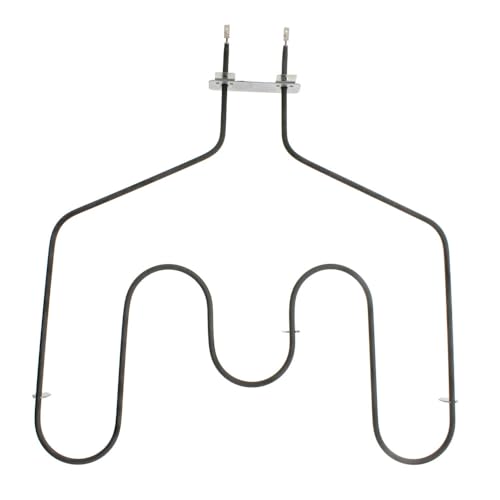
Direct Replacement: Compatible with GE models, replacing part numbers WB44T10011, WB44T10059, 820921, AH249286, EA249286, PS249286, B003BIGDEA Contact us for a model lookup
Checking the Power Supply
- Examine the Outlet: Inspect the power outlet where your stove connects. Look for burnt marks or loose connections. If you see any damage, replace the outlet.
- Test the Cord: Check the stove’s power cord for fraying or breaks. A damaged cord might prevent proper heating. If it’s faulty, replace it immediately.
- Verify the Circuit Breaker: Ensure that the circuit breaker hasn’t tripped. You can do this by checking your electrical panel and resetting any tripped breakers.
Testing the Heating Elements
- Visual Inspection: Look closely at the heating elements. Cracks, blisters, or discoloration can indicate damage. If you notice anything unusual, it’s time to replace the element.
- Use a Multimeter: Set your multimeter to the ohms setting. Disconnect the heating element from the appliance. Test both terminals. If the reading is infinite or significantly lower than expected, replace the element.
- Check Connections: Ensure that the heating elements have secure connections. Loose connections can restrict electrical flow, affecting heat production.
- Test Functionality: Turn the control switch on and off. If it feels loose or doesn’t click, it may be faulty. A non-responsive switch needs replacement.
- Use a Multimeter for Testing: With the stove unplugged, access the control switch wires. Set your multimeter to ohms and check continuity across the switch terminals. If there’s no continuity when the switch is on, replace it.
- Look for Burn Marks: Inspect the area around the control switch for burn marks or melting. These signs often suggest a malfunction, requiring immediate attention.
By following these steps, you can diagnose why your electric stove isn’t heating properly and determine the necessary repairs or replacements needed.
Solutions for Electric Stove Not Heating Up Properly
To solve the issue of your electric stove not heating up properly, follow these practical steps focused on three main areas: replacing heating elements, repairing electrical connections, and adjusting control settings.
Recommended Products

👉 Compatible with Model : Compatible with Whirlpool electric stove. Drip pans fit with burner elements perfectly to save the hassle of choosing the size.

【𝙋𝙤𝙨𝙞𝙩𝙞𝙫𝙚𝙡𝙮 𝙍𝙚𝙫𝙞𝙚𝙬𝙚𝙙 𝙛𝙤𝙧 𝙎𝙩𝙪𝙧𝙙𝙞𝙣𝙚𝙨𝙨】---【UPGRADED】MP22YA Electric Stove Range Surface Burner Coil Unit Set is made of made of high temperature resistant stainless steel alloy material. Titanium is added to the stainless steel alloy, so our MP22YA surface burner elements has higher resistivity, higher temperature resistance, stronger oxidation resistance, better wear resistance, not easy to embrittlement, and smaller deformation when the burner works in the electric furnace.★The Burner Element solves the following problems for your stove:①The surface element is not heating up and the end connection was corroded.②Element will not heat.③Element will not start

【Part Number】 SP21YA Electric Range Burner Element 8-in 4-Turns replace 325503, WB30X0253, WB30X5060, WB30X5095, ERS48Y21, TJ90SP21YA, SP21YA, 814153 etc
Replacing Heating Elements
If your stove’s heating elements are damaged, they won’t heat effectively.
- Identify the Faulty Element: Check for visible signs of burn marks or blisters on the element. Heat elements that do not glow orange when on are likely defective.
- Disconnect Power: Before starting, ensure the stove is unplugged to avoid electric shock.
- Remove the Old Element: Unscrew or unclip the heating element from the stove.
- Install the New Element: Position the new heating element in place and secure it.
- Reconnect Power: Plug the stove back in and test the new element.
New heating elements can improve efficiency and functionality, making cooking easier.
Repairing Electrical Connections
Loose or damaged electrical connections can impede heat generation.
- Inspect Power Cord: Look for any fraying or damage to the power cord that connects to your stove.
- Examine the Outlet: Check the outlet for any visible signs of wear or damage.
- Test Voltage: Use a multimeter to check if the outlet supplies the correct voltage.
- Tighten Connections: If you spot loose connections at the back of the stove, ensure they’re properly tightened and secure.
Repairing any faulty connections can restore proper heating, ensuring your meals cook thoroughly.
Adjusting Control Settings
Incorrect control settings may prevent the stove from heating properly.
- Check Selector Switch: Make sure the selector switch is in the correct position for the desired function (e.g., bake, broil).
- Test Temperature Settings: Verify that the temperature is set appropriately. Often, stoves may default to a low setting inadvertently.
- Reset Controls: If the stove includes a digital control panel, try resetting it. Unplug the stove for a few minutes before plugging it back in and setting the controls again.
Adjusting the settings accurately can resolve minor heating issues, allowing you to enjoy efficient cooking without interruptions.
Preventative Maintenance Tips
Keeping your electric stove in good condition prevents heating issues and enhances your cooking experience. Regular maintenance can help ensure efficient operation and extend the stove’s lifespan.
Regular Cleaning and Care
Clean the stove’s surface after each use. This practice prevents food buildup that can affect performance. Wipe down the burners and control knobs with a damp cloth. Avoid using abrasive cleaners that can scratch surfaces. For tougher stains, use a mixture of baking soda and water. Ensure the burners are dry before cooking to prevent moisture-related issues.
Routine Inspections
Perform routine inspections every few months. Check the heating elements for cracks or discoloration, which can indicate failure. Examine the power cord for fraying or wear. Look at the outlet for signs of damage like scorch marks. Ensure the circuit breaker is functional and hasn’t tripped. Use a multimeter to check heating elements for continuity, confirming they work correctly.
Using the Stove Properly
Use the stove according to the manufacturer’s instructions. Avoid placing heavy pots and pans that can damage the surface. Don’t leave the stove unattended when turned on, as this can lead to overheating or accidents. Always match the pan size to the burner size; this improves heating efficiency and ensures even cooking.
Conclusion
Dealing with an electric stove that won’t heat up properly can be frustrating but you’re not alone in this. By taking a few moments to troubleshoot and address the common issues, you can often restore your stove’s functionality without too much hassle.
Remember to keep up with regular maintenance to prevent future problems. A little attention goes a long way in ensuring your stove serves you well for years to come. Enjoy your cooking adventures and happy meal prepping!
Frequently Asked Questions
Why is my electric stove taking so long to heat up?
Electric stoves can take a long time to heat up due to several issues, such as faulty heating elements, problems with electrical connections, or malfunctioning control switches. Identifying these issues is essential for restoring proper functionality.
How can I troubleshoot my electric stove heating issues?
Start by checking the power supply to ensure everything is connected. Inspect the outlet for damage, test the power cord for fraying, and confirm the circuit breaker hasn’t tripped.
What should I look for when inspecting heating elements?
Check for visible damage, like cracks or broken parts. Use a multimeter to test for continuity, ensuring the heating element is functioning properly. Replace if necessary.
How do I check if my control switch is working?
To test the control switch, turn the knob and listen for clicks or feel for resistance. If it appears damaged or unresponsive, it may need replacement for optimal performance.
What are some preventative maintenance tips for my electric stove?
Regularly clean your stove by wiping its surface after use and avoiding abrasive cleaners. Inspect it every few months, checking for issues like fraying power cords and cracks in heating elements.
How can I improve my stove’s heating efficiency?
Use the correct pan size for each burner and avoid heavy pots that can damage the surface. Ensuring proper usage according to manufacturer instructions can significantly enhance heating efficiency.

Hey, I’m Jake. I focus on cooling systems at Appliance Mastery, like fridges, freezers, and air conditioners.
I’ve worked in appliance repair for more than ten years and I’m certified through NASTeC. I’ve seen just about every fridge issue you can imagine.
My goal is to help you fix problems without stress. Whether it’s a freezer that won’t cool or an AC that keeps beeping, I’m here to walk you through it.