
Ever wondered why your washer’s spin cycle seems to have a mind of its own? Picture this: you’re eagerly waiting to transfer your freshly washed laundry to the dryer, but your washer decides to throw a spin cycle tantrum. Frustrating, right? Don’t worry, you’re not alone. In this article, you’ll discover simple yet effective ways to troubleshoot and fix your washer’s spin cycle issues.
Understand the Problem
When your washer is acting up, it can be frustrating, especially when the spin cycle doesn’t work as expected. To effectively fix this issue, it’s crucial to first understand what is causing the problem.
- Unbalanced Load: One common reason for a malfunctioning spin cycle is an unbalanced load. This occurs when you have a few heavy items such as towels or jeans on one side and lighter clothes on the other. The washer tries to balance the load but may not always succeed.
- Worn Out Belt or Motor Coupler: Over time, the belt that drives the spin cycle or the motor coupler that connects the motor to the transmission could wear out or break, leading to spin cycle problems.
- Clogged Drain Pump: A clogged drain pump can also prevent proper draining of water from the machine, affecting the spin cycle.
By identifying the specific issue causing the spin cycle problem, you can move forward with targeted troubleshooting steps to get your washer back in proper working order.
Recommended Products
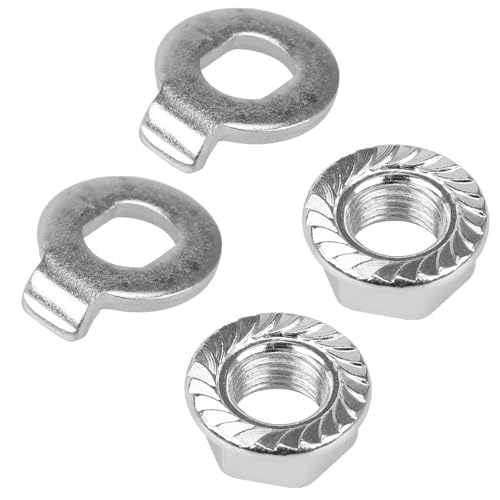
Complete 4-Piece Set for M14: Includes 2 steel washers and 2 motor screws, perfectly matched for M14 electric bike, bicycle hub motor, and ebike scooter repairs

Compatible Model: GTW220ACK1WW, GTW220ACK2WW, GTW220ACK3WW, GTW220ACK4WW, GTW220ACK5WW, GTW220ACK6WW, GTW330ASK0WW, GTW330ASK1WW, GTW330ASK2WW, GTW330ASK3WW, GTW330ASK4WW, GTW335ASN0WW, GTW335ASN1WW, GTW460ASJAWW, GTW465ASN0WW, GTW465ASN1WW, GTW500ASN0WS, GTW680BPL0DG, GTW680BPL1DG, GTW680BPL2DG, GTW680BSJ4WS, GTW680BSJ5WS, GTW680BSJ6WS, GTW680BSJ7WS, GTW685BPL0DG, GTW685BPL1DG, GTW685BSL0WS, GTW685BSL1WS, GTW750CPL0DG, GTW750CPL1DG, GTW750CSL0DG, GTW750CSL0WS, GTW750CSL1WS, GTW755CPM0DG, GTW755CPM1DG, GTW755CSM0WS, GTW755CSM1WS, HTW200ASK0WW, HTW200ASK1WW, HTW200ASK2WW

Part Numbers: WH03X30517 Washer Shift Actuator, Replacement for Washer Part Numbers AP7014559, WH05X25036, WH05X24435, PS16554752, EAP16554752; WH01X27538 Washer Drive Belt, Replacement for Washer Part Numbers WH01X27538, 4587903, AP6328256, 4587903, PS12299369, EAP12299369
Check the Load
When your washer experiences unpredictable spin cycle problems, the first step is to Check the Load. Here’s what you need to do:
- Ensure that the load is balanced inside the washer drum.
- Avoid overloading the washer with too many clothes.
- Spread out the items evenly to prevent the washer from vibrating excessively during the spin cycle.
By following these simple steps, you can help prevent issues with your washer’s spin cycle.
Level the Washer
When your washer experiences issues with the spin cycle, one of the first steps you should take is to ensure that your appliance is level on the ground. An unbalanced washer can lead to erratic behavior during the spin cycle, causing excessive noise and vibration. Here’s what you can do to level out your washer:
- Check: Grab a bubble level and place it on top of your washer to see if it’s level from side to side and front to back.
- Adjust: If the bubble isn’t in the center, adjust the washer’s feet accordingly. Use a wrench to loosen or tighten them until the washer is stable.
- Test: Once you think you have leveled the washer, run a small spin cycle to see if it still vibrates excessively. If it does, repeat the leveling process until you achieve a balanced machine.
Remember, a level washer can help ensure a smooth and efficient spin cycle, preventing unnecessary wear and tear on the appliance.
Recommended Products


Product: Circular Bullseye Degree Marked Surface Round Bubble Spirit Levels Measuring Tool.

Torpedo Level Magnetic: Featuring a magnetic base, Firecore spirit level attaches securely to metal surfaces for a variety of needs.
Examine the Drainage
When experiencing issues with your washer’s spin cycle, checking the drainage is crucial. A clogged or improperly installed drain can lead to inefficient water removal, affecting the spin cycle.
- Inspect the drain hose for kinks or obstructions.
- Ensure the drain hose is positioned correctly to allow smooth water flow.
- Check for any blockages in the drain pump filter that may impede drainage.
By maintaining proper drainage, you can improve the efficiency of your washer’s spin cycle and avoid potential malfunctions.
Recommended Products

CATCHES LINT, HAIR, AND FINE DEBRIS BEFORE THEY REACH YOUR DRAIN: Each washing machine lint trap slides over the discharge hose and acts as a lint catcher for washing machine hose ends, designed to capture pet hair, loose threads, tissues, and small particles. No tools or plumbing experience required for installation.

PREVENTS CLOGGING: Our PlumbCraft Nylon Lint Trap prevents lint from clogging washing machine drain systems and its discharge hoses. It's a convenient and effortless method of catching hair and lint.

Includes (1) Drain pump drain hose plug for Samsung Washer.
Maintenance and Repairs
Maintaining your washer is crucial for optimal performance. Here are some key tips to keep your washer operating smoothly:
- Balancing Act: Use a bubble level to ensure your washer is level. An unbalanced washer can lead to vibrations during the spin cycle.
- Drain Inspection: Regularly check the drain hose for any kinks or blockages. A clear drain allows for efficient water removal, enhancing the spin cycle’s effectiveness.
- Clean the Filters: Don’t forget about the filters. Clogged filters can impede water flow and impact the washer’s performance.
- Professional Maintenance: Schedule annual maintenance checks with a technician to ensure your washer is in top condition.
- DIY Fixes: For minor issues, refer to the user manual for troubleshooting steps before seeking professional help.
Keep these maintenance tips in mind to extend the lifespan of your washer and enjoy smooth spin cycles.
Conclusion
Keeping your washer well-maintained is key to its performance. By balancing it with a bubble level, checking the drain hose, cleaning filters, and scheduling annual maintenance, you can prolong its lifespan and enjoy smooth spin cycles. Remember, small DIY fixes can often resolve minor issues. Your washer will thank you with efficient and effective laundry cycles. Happy washing!
Frequently Asked Questions
How can I balance my washer for optimal performance?
To balance your washer, use a bubble level to check if it’s even on all sides. Adjust the washer’s feet until it’s level to prevent excessive vibration during spin cycles.
Why should I check the drain hose for blockages?
Checking the drain hose for blockages is crucial to prevent water backup and leaks. Clear any debris or buildup in the hose to ensure proper drainage after each wash cycle.
How often should I clean my washer’s filters?
It’s recommended to clean your washer’s filters every 2-3 months to remove lint, dirt, and debris that can clog the machine and affect its performance.
Why is scheduling annual maintenance checks with a technician important?
Annual maintenance checks with a technician can help identify any underlying issues early on, prevent major breakdowns, and keep your washer running efficiently for years to come.
When should I attempt DIY fixes for my washer?
You can attempt DIY fixes for minor issues like a clogged filter or loose connections. However, always refer to the manufacturer’s manual or seek professional help for complex problems to avoid causing further damage.

Hi, I’m Charlie, and I cover all things laundry here at Appliance Mastery.
I’ve spent over eight years working on washing machines, dryers, and dishwashers. I also have a degree in mechanical engineering, which helps me understand how these appliances really work.
I try to make every guide clear and practical. If you’re stuck with a noisy dryer or a leaking washer, I’ll help you figure out what’s wrong and how to fix it.