
Ever found yourself wondering how to turn off your heat pump when it’s time to cool down your home? You’re not alone. Many people struggle with this simple task, especially when the controls seem more complicated than they should be.
Knowing how to properly shut off your heat pump can save you energy and keep your home comfortable. This article will walk you through the straightforward steps to turn off your system safely and efficiently. With just a few tips, you’ll be able to manage your heat pump like a pro and enjoy a more comfortable living space.
Key Takeaways
- Understanding Heat Pumps: Heat pumps are efficient devices that provide both heating and cooling by transferring heat from outside to indoors and vice versa.
- Energy Savings: Turning off your heat pump during mild weather can save 10-15% on energy bills, while using natural ventilation in comfortable temperatures reduces energy consumption.
- Maintenance Importance: Regularly shutting off the heat pump allows for crucial maintenance tasks like cleaning filters and coils, extending the system’s lifespan and preventing costly repairs.
- Step-by-Step Shutdown: To turn off your heat pump, locate the thermostat, set it to “Off,” and ensure the circuit breaker is switched off as well, confirming complete shutdown.
- Troubleshooting Tips: If the heat pump doesn’t turn off, check the thermostat setting, circuit breaker function, and listen for unusual sounds that may indicate a stuck relay or other issues.
- When to Seek Help: Call a professional if the heat pump continues running, makes unusual noises, frequently trips the breaker, or shows poor performance despite troubleshooting efforts.
Understanding Heat Pumps
Heat pumps provide efficient heating and cooling for your home. Understanding their function and operation can help you manage them effectively.
What Is a Heat Pump?
A heat pump is an energy-efficient device that transfers heat from one place to another. It can extract heat from the outside air, ground, or water and move it indoors during winter. In summer, it reverses the process, removing heat from your home to the outside. This dual capability makes heat pumps an excellent choice for year-round climate control.
How Does a Heat Pump Work?
A heat pump functions by circulating a refrigerant through a closed loop system. The refrigerant absorbs heat from the environment and converts it into a gas. This gas then travels to the compressor, where it’s pressurized and heated further. Afterward, it moves to the indoor coil, releasing heat to warm your space.
In cooling mode, the process reverses. The heat pump draws warm air from your home and expels it outside. This cycle continuously regulates the indoor temperature, ensuring comfort throughout the year.
Understanding these principles allows you to navigate your heat pump’s functions and effectively manage its operation, including turning it off when needed.
Reasons to Turn Off Your Heat Pump
Turning off your heat pump can provide several benefits that contribute to energy efficiency and system longevity.
Recommended Products

Polyester material: engineered as an outdoor air conditioning protective cover and outdoor ac rain shield, the fabric withstands repeated exposure to challenging weather conditions,air conditioning cover,air conditioner sunproof cover

Heavy-Duty Winter Protection: This heavy-duty pool cover is built from 14x14 laminated scrim polyethylene with reinforced, heat-sealed seams; its dense, tear-resistant scrim handles harsh off-season weather

❄️【Four Operating Modes & Tailored Airflow】Choose from Cool, Heat, Dry, and Fan to match your comfort needs across every season. Fine-tune the breeze with four fan-speed settings (Low, Medium, High, and Auto). For added versatility, activate ultra-quiet Sleep Mode at just 26 dB for uninterrupted rest, switch to ECO Mode to cut energy use by up to 30%, or engage Turbo Boost for instant, powerful cooling or heating when the temperature demands it.
Energy Savings
Shutting off your heat pump during mild weather limits energy consumption. When outside temperatures are comfortable, using the heat pump may not be necessary. For instance, if the temperature is between 60°F and 75°F, you can achieve significant savings by utilizing natural ventilation instead. Moreover, regularly turning off the system during these periods can reduce your monthly energy bills by 10-15%.
Maintenance Needs
Regularly turning off your heat pump aids in maintenance. It allows for proper inspections and cleaning, ensuring that the unit runs efficiently. For example, during the off-season, checking filters, cleaning coils, and clearing debris should become routine tasks. By doing so, you can extend the life of your heat pump, reducing the likelihood of costly repairs or premature replacements. Schedule these maintenance sessions twice a year for optimal performance.
Step-by-Step Guide to Turn Off Heat Pump
Turning off your heat pump efficiently is key for energy savings and comfort. Follow these steps for a smooth process.
Recommended Products

Updated Temperature Controlled Outlet for Heater: YeloDeer updated temperature thermostat controlled plug turns the power on automatically according to ambient air temperature, below 38 ℉(3 ℃), and turns off at above 50 ℉(10 ℃)

Plugs into a standard 15 amp electrical outlet and turns power on automatically according to ambient air temperature
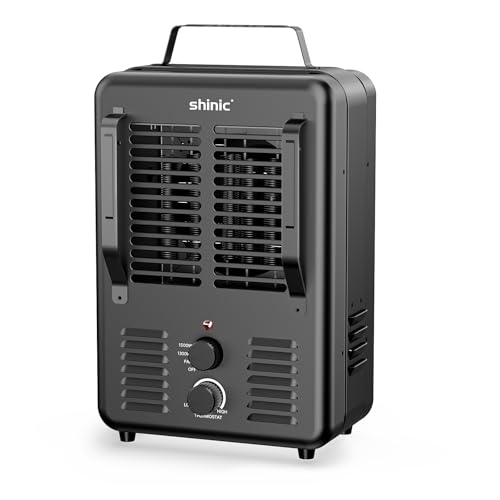
Durable & Portable Space Heater: The SHINIC milkhouse heater features a heavy-duty, all-metal housing that is durable and strong enough to last for years. Equipped with an stay-cool convenient carry handle, help you easy to move this heater when it's working
Locating the Thermostat
- Find the Thermostat: Locate your thermostat, typically mounted on an interior wall.
- Access Control Panel: Open the control panel on your thermostat. This is where you manage heating and cooling settings.
- Switch to Off: Select the “Off” option. This will stop the heating or cooling cycle immediately.
- Confirm Settings: Ensure that the display indicates that the system is off. This confirmation guarantees the heat pump won’t operate.
- Locate the Circuit Breaker: Find your home’s main circuit breaker panel. This is usually in a basement, garage, or utility room.
- Identify the Heat Pump Breaker: Look for the breaker labeled for the heat pump. It may be clearly marked or located alongside other HVAC breakers.
- Flip the Switch: To turn off the heat pump, switch the breaker to the “Off” position.
- Check for Shutdown: Listen for any sounds of the unit stopping. Ensure no lights remain on the thermostat, confirming it’s off.
By following these straightforward steps, you can effectively turn off your heat pump whenever necessary.
Troubleshooting Common Issues
Occasionally, issues may arise while trying to turn off your heat pump. Here’s how to address those.
Recommended Products
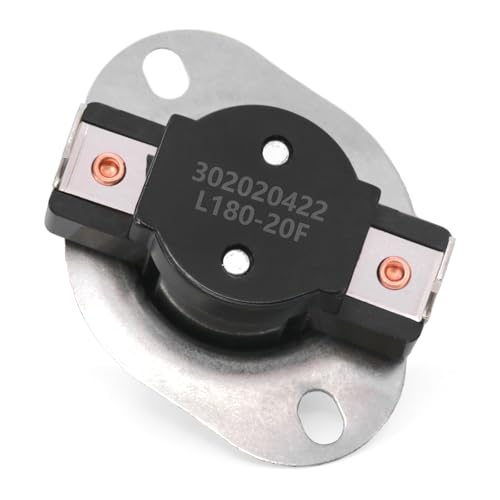
Compatible Model: The L180-20F auto reset limit switch is compatible with Carrier HVAC equipments such as furnaces, heat pumps and A/C systems. Compatible with Carrier 59SC5A060S171114 59TP6A040E171112 PG95XAT42060BBAA PG95SAS42060BAAA and more

Replacement Part Numbers: 006725F, H-2506, H-3507

【Replace Part Number】: 338096-701
If the Heat Pump Doesn’t Turn Off
If the heat pump doesn’t turn off after following the standard procedure, check these items:
- Thermostat Setting: Ensure the thermostat is set to “Off.” Sometimes, it might switch back to “Heat” or “Cool” mode.
- Circuit Breaker: Inspect the circuit breaker panel. If the breaker is tripped, reset it and try turning off the heat pump again.
- Stuck Relay: Listen for a humming noise. If present, a stuck relay in the control board might keep it running. Power down the unit from the breaker to reset.
- Faulty Thermostat: Consider replacing the thermostat if it’s unresponsive or malfunctioning.
- System Lockout: Certain models may enter a safety lockout mode. Refer to the owner’s manual for instructions on resetting it.
When to Call a Professional
If you can’t resolve the issue after checking the items above, it may be time to call a professional. Look for these signs:
- Persistent Operation: If the heat pump continues running despite attempts to turn it off, an internal issue might exist.
- Unusual Noises: Listen for grinding, rattling, or buzzing sounds. These may indicate mechanical failure.
- Frequent Breaker Trips: If the circuit breaker trips often, this suggests an electrical issue that requires expert attention.
- Poor Performance: If your system struggles to maintain temperature, professional evaluation can determine underlying problems.
Addressing these issues promptly helps maintain your heat pump’s efficiency and longevity.
Conclusion
Turning off your heat pump doesn’t have to be a hassle. By following the simple steps outlined in this post you can ensure your system is off when you need it to be. This not only helps save energy but also keeps your home comfortable.
Remember to keep an eye on the maintenance of your heat pump. Regular check-ups can prevent issues down the line and extend the life of your system. If you encounter any problems while turning it off don’t hesitate to reach out to a professional. Taking these steps will help you enjoy the benefits of your heat pump for years to come.
Frequently Asked Questions
How does a heat pump work?
A heat pump works by transferring heat from one location to another. In winter, it extracts heat from the outside air or ground and brings it inside. In summer, the process reverses, removing heat from your home and expelling it outside. This efficient system uses refrigerant to circulate heat, making it effective for both heating and cooling.
Why should I turn off my heat pump?
Turning off your heat pump can save energy and reduce your monthly utility bills by 10-15% during mild weather. It also allows for necessary maintenance, which can extend the unit’s lifespan and prevent costly repairs over time.
How do I turn off my heat pump?
To turn off your heat pump, locate the thermostat, access the control panel, and select the “Off” option. Afterward, check the circuit breaker panel to ensure the system is completely shut down.
What should I do if my heat pump won’t turn off?
If your heat pump won’t turn off, check the thermostat for the correct setting and inspect the circuit breaker for any issues. Listen for any unusual sounds, like humming, which may indicate a stuck relay. If the problem persists, consider calling a professional.
When should I call a professional for my heat pump?
You should call a professional if your heat pump operates continuously without reason, makes unusual noises, frequently trips circuit breakers, or shows poor performance. These signs indicate potential underlying issues that need expert assessment to maintain efficiency and safety.
Hi, I’m Charlie, and I cover all things laundry here at Appliance Mastery.
I’ve spent over eight years working on washing machines, dryers, and dishwashers. I also have a degree in mechanical engineering, which helps me understand how these appliances really work.
I try to make every guide clear and practical. If you’re stuck with a noisy dryer or a leaking washer, I’ll help you figure out what’s wrong and how to fix it.