
GE universal remote programming requires entry of specific device codes during the setup sequence. These codes enable the remote to communicate with various electronics brands and models.
Owners locate the correct code from published lists before beginning the process. The method works for most common home entertainment devices without additional tools or software updates.
Retrieve Master GE Remote Code Table
GE universal remotes rely on standardized code sets that cover thousands of device combinations across major manufacturers. Users must match their equipment brand and type to the appropriate entry before any programming begins. The following master data table compiles verified codes for frequent device categories. Selection of the right code prevents repeated attempts and reduces setup time. Cross reference the table with the device manual when multiple options appear for one brand.
| Device Type | Brand Example | Code Entry |
|---|---|---|
| Television | Samsung | 0105 |
| Television | LG | 0004 |
| DVD Player | Sony | 3012 |
| Cable Box | Comcast | 0476 |
| Audio Receiver | Yamaha | 0177 |
| VCR | Panasonic | 0051 |
GE Remote Code Tier Rankings by Popularity
Code tiers organize entries by popularity and compatibility success rates across user reports. Top tier codes appear first in most lists because they match the largest number of current models. Mid tier codes serve older or less common units that require secondary attempts. Bottom tier codes remain available for rare legacy equipment still in service. Review of these tiers helps users prioritize the initial entry and avoid unnecessary resets during the process.
GE Remote Code Entry Preparations
Preparation includes gathering the remote manual, fresh batteries, and a clear line of sight to the target device. Users should power on the equipment manually before starting code entry to confirm basic function. Keep the code list nearby to allow quick switches if the first attempt fails. Position the remote within three feet of the device during testing to ensure infrared signals reach the sensor without obstruction. These steps maintain consistent results across different room layouts and device placements.
GE Remote TV Code Entry Steps
Television programming begins with the remote in code entry mode activated by holding the setup button. Users then input the four digit code from the master table while aiming at the screen. Successful entry produces a light blink that signals acceptance. Test volume and channel functions immediately after to verify control. Repeat with the next code in the tier if the television does not respond to commands.
GE Remote Codes for Audio Receivers
Audio receivers and sound systems follow the same entry sequence but often require an additional power toggle test. Select the code that matches the receiver brand and confirm the remote can adjust input sources. Some models need a second code for surround functions beyond basic volume. Users should cycle through available inputs after setup to ensure full coverage. This approach prevents partial control that leaves certain features inaccessible.
GE Remote Code Search After Failures
Persistent failures after three code attempts indicate either an incorrect tier selection or a device firmware variation. Clear the remote memory by removing batteries for thirty seconds before retrying. Confirm the device model number against updated lists because manufacturers release new variants yearly. If codes still fail, direct code search mode on the remote can scan automatically without manual entry. This method resolves most remaining mismatches without external support.
GE Remote Code Lock and Function Verification
Complete the process by locking the successful code into the remote memory through a final setup button press. Verify all primary functions across every programmed device in sequence. Store the code list with the remote for future reference when adding new equipment. Regular battery checks maintain signal strength and prevent intermittent operation after initial setup.
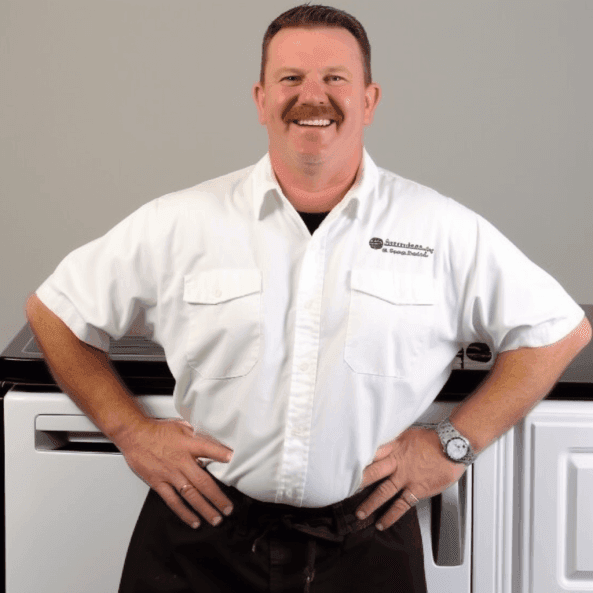
Hey, I’m Jake. I focus on cooling systems at Appliance Mastery, like fridges, freezers, and air conditioners.
I’ve worked in appliance repair for more than ten years and I’m certified through NASTeC. I’ve seen just about every fridge issue you can imagine.
My goal is to help you fix problems without stress. Whether it’s a freezer that won’t cool or an AC that keeps beeping, I’m here to walk you through it.