
Have you ever planned a delicious meal only to find your stove oven isn’t heating up? It’s a frustrating situation that can throw off your entire cooking schedule. Whether you’re trying to bake a cake or roast a chicken, a malfunctioning oven can turn your culinary dreams into a headache.
Key Takeaways
- Common Heating Issues: Stove ovens may fail to heat due to electrical problems, faulty thermostats, or broken heating elements, requiring troubleshooting to identify the cause.
- Visual Inspections: Examine the interior and exterior of your oven for visible damage, check the heating elements for signs of wear, and inspect the door seal and control panel for anomalies.
- Multimeter Testing: Use a multimeter to test heating elements and the thermostat for electrical continuity, ensuring components are functional within normal resistance ranges.
- DIY Solutions: Replace broken heating elements and repair faulty electrical connections by inspecting wires and connectors, and ensure the power supply is intact before making repairs.
- When to Seek Help: Persistent issues, unusual noises, burning smells, and frequent circuit breaker trips suggest that professional intervention is necessary to prevent further damage or safety hazards.
- Choosing a Technician: Verify credentials, read reviews, compare estimates, and inquire about experience to ensure you select a qualified technician for repairs.
Common Causes of Stove Oven Not Heating Up
Understanding why your stove oven isn’t heating can help you address the issue efficiently. Here are the most common causes to consider.
Recommended Products

Product Information: The 318578506 oven thermostat is compatible with the Frigidaire Kenmore Electrolux oven and is an excellent thermostat for oven. The main function of this 318578506 oven high limit switch is to help users control the oven temperature, thereby keeping the internal temperature of the oven within a stable range. After purchasing, you will get a brand new 318578506 thermostat fit for frigidaire kenmore, with a length of 2.35 inches and a height of 0.54 inches
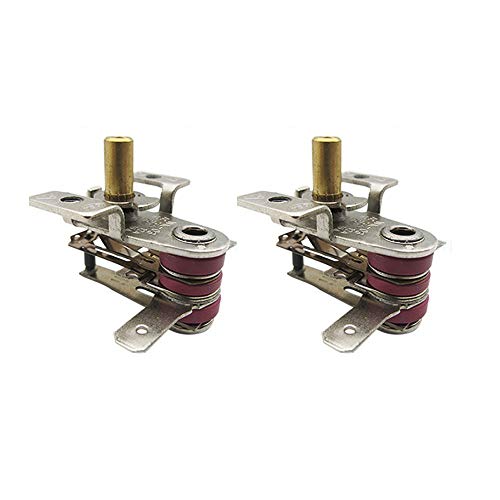
Bimetallic Thermostat KT-231 with setting temperature 70 Celsius, contact load capacity 16A/220 VAC.
Electrical Issues
Electrical problems often prevent your oven from heating. Check the power supply first. Ensure the oven is plugged in properly. If it’s hardwired, inspect the circuit breaker. A tripped breaker can cut power. If after resetting things still don’t work, consider testing the outlet with another appliance.
Faulty Thermostat
A malfunctioning thermostat can disrupt temperature regulation. If your oven heats unevenly or doesn’t reach the set temperature, its thermostat might be broken. Test the thermostat by using an oven thermometer for accuracy. If there’s a significant difference, it’s time to replace the thermostat for proper function.
Broken Heating Elements
Heating elements can wear out over time. Inspect the bake and broil elements for visible damage like cracks or blisters. If they’re broken, they won’t heat up. You can test the elements for continuity with a multimeter. If they’re faulty, replace them. New elements often restore normal oven function.
Diagnosing the Problem
Diagnosing why your oven isn’t heating up can save time and restore your cooking routine. Focus on visual inspections and using a multimeter to pinpoint issues effectively.
Recommended Products
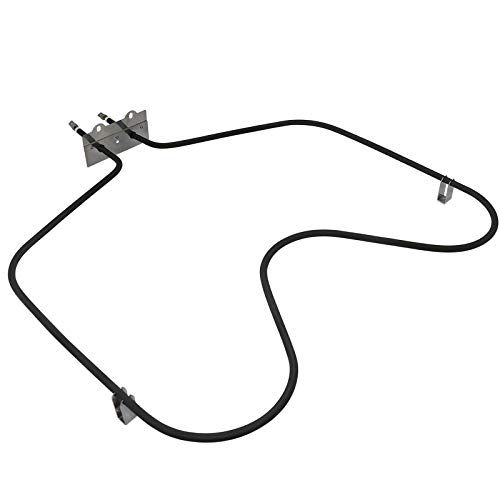
✔✔【𝘽𝘼𝙆𝙀 𝙀𝙇𝙀𝙈𝙀𝙉𝙏 𝙒𝙃𝙄𝙍𝙇𝙋𝙊𝙊𝙇 𝙊𝙑𝙀𝙉】308180 WP308180 oven bake element is at the bottom of the oven and supplies the heat for baking.This bake element wp308180 is for ranges.The rated power is 2600 watts and the rated voltage is 240 volts.►The size is approximately 16-5/8’’wide X 15-3/4"deep.►The mounting bracket is 2" wide from the mounting bracket to the terminal end is 3". Mounting holes measure 1-3/4" apart center to center.►package includes 1 x oven heating element wp308180

Upgraded 316075104 3160755103 oven bake element :316075104 Oven Range Bake Element is at the bottom of the oven and supplies the heat for baking. 316075103 frigidaire oven heating element is made of strong Nickel stainless steel alloy, withstand high temperatures. frigiDaire Oven bake element replacement 316075104 make faster and more heating and ensure long term effective operation. If the oven bottom heating element for frigidaire oven is worn or corroded, element will not heat, uneven heating, you need to replace kenmore oven heating element replacement 316075104. fef366ecc 316075103 316075104 frigidaire oven heating element replacement easily solve your problems of oven,long-lasting

【SIZE SPECIFICATIONS】--- WB44K10005 Oven Bake Element has push-in terminals and measures approximately 17.8 inches by 17.8 inches. From mounting bracket to back 2-3/8". From end of terminal to the mounting bracket (measuring up at an angle) 2 5/8" between each terminal. Terminals are male spade type, Calrod is bent up at then end towards 2 mounting holes. The rated voltage is 2585 watts and the voltage is 240 volts. The package includes 1 x WB44K10005 Range Oven Bake Element.
Visual Inspections
Start by visually inspecting the oven interior and exterior. Look for signs of damage or wear. Check the heating elements for signs of broken coils or blisters. Inspect the oven door seal for gaps, which can let heat escape. Ensure that the oven is plugged in securely and that the power supply is functioning. Review the control panel for any error messages or unusual lights, which might indicate an underlying issue.
Testing with Multimeter
Use a multimeter to assess whether electrical components are working correctly. Follow these steps:
- Turn Off Power: Before any testing, switch off the power to avoid electric shock.
- Access Components: Remove the back panel or oven floor to reach the heating elements and thermostat.
- Set Multimeter: Set your multimeter to the ohms setting (Ω) to measure resistance.
- Test Heating Elements: Place the probes on the terminals of the heating elements. A reading between 10 and 50 ohms indicates they are functioning correctly. If no reading or an infinite reading appears, the heating element may need replacement.
- Check Thermostat: Similarly, test the thermostat by placing the probes on its terminals. A functioning thermostat should show resistance within the normal range (approximately 0 to 10 ohms cold).
Follow these steps to identify faulty parts accurately, ensuring a more focused repair effort.
Solutions to Fix the Issue
If your stove oven isn’t heating up, these solutions can help restore its function.
Recommended Products
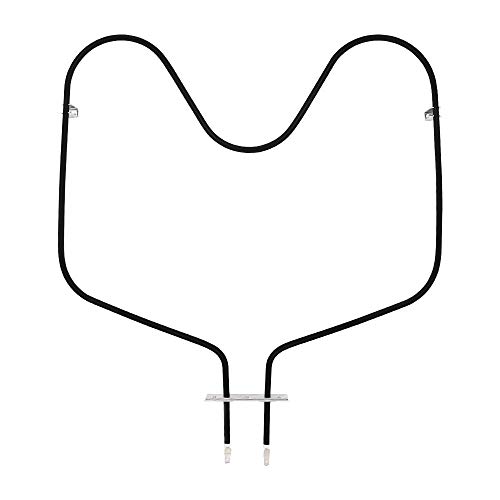
[PART NUMBER] AMI PARTS WP308180 W10308477(2600 Watts, 240 Volt)Oven Heating Element wpw10308477 Bake Element Replacement

【WARM TIP】Before you purchase wb44t10010 heating element for oven,please make sure this part fits your appliance(confirm the size and model)If you're still not sure,come to contact us.Our heating element WB44T10010 have great function,easy to install,only few minutes operation will save you lots of money.We provide reliable and durable quality replacement for oven heating element

【SPECIFICATIONS】: AMI PARTS wb44k10005 range bake element heating WB44K10005 Oven Bake Heating Element(2585 Watts, 240 Volts)Replacement Compatible,17-1/4-Inch L by 15-1/2-Inch W
Replacing Heating Elements
Check the heating elements first. If they’re burnt out, it’s time to replace them. Look for visible damage like blisters or breaks.
- Unplug the Oven: Safety comes first. Disconnect the oven from the power source before you start.
- Remove the Cover: Use a screwdriver to take off the cover protecting the heating element.
- Test the Element: Use a multimeter to check for continuity. A reading of zero indicates a faulty element.
- Install the New Element: Disconnect the old element and replace it with a new one. Tighten the screws and reattach the cover.
Ensure you obtain the correct element type based on your oven model.
Repairing Electrical Connections
Faulty electrical connections can prevent your oven from heating. Here’s how to troubleshoot and repair:
- Inspect Wires and Connectors: Look for frayed wires or loose connectors at the back of the oven.
- Tighten Connections: Secure any loose wires, ensuring a snug fit to prevent electrical loss.
- Test the Power Supply: Use a multimeter to measure voltage at the wall outlet. It should read between 110-120 volts.
- Replace Damaged Components: If you find damaged wires or connectors, replace them with compatible parts.
Always ensure the oven is unplugged when inspecting electrical connections. Following these steps restores power and function efficiently.
When to Call a Professional
Sometimes, you face problems that require expert intervention. Recognizing the right moment to call a technician can save you time, frustration, and further damage to your oven.
Signs You Need Help
- Persistent Heating Issues: If your oven still doesn’t heat up after performing basic checks and resets, it’s a sign of a deeper issue. Continuous problems often mean a component requires professional assessment.
- Unusual Noises: Strange sounds, like buzzing or popping, may indicate electrical problems. These noises often require immediate attention to prevent safety hazards.
- Burning Smell: A burning odor during operation signals potential electrical failure. This can lead to fires or severe damage, so it’s best to contact a technician right away.
- Frequent Circuit Breaker Trips: If your oven trips the circuit breaker often, it suggests overloaded wiring or malfunctioning parts. Seeking professional help can prevent electrical hazards.
- Check Credentials: When selecting a technician, ensure they’re licensed and insured. Certification indicates they possess the necessary skills to handle repairs safely.
- Read Reviews: Look for customer feedback online. Reviews and ratings can guide your choice, helping you find someone reputable and skilled.
- Get Estimates: Request quotes from multiple technicians. Comparing costs provides insight into fair pricing and helps you avoid overcharging.
- Ask About Experience: Inquire about their experience with your specific oven brand and type. A technician familiar with your appliance can diagnose problems more quickly.
- Confirm Warranties: Ask if they offer warranties on parts and labor. It adds an extra layer of protection for your investment in repairs.
Recognizing when to call a professional and choosing the right technician can efficiently restore your oven’s functionality.
Conclusion
Dealing with an oven that won’t heat up can be a real hassle especially when you’re eager to whip up a delicious meal. By taking the time to diagnose the issue and following the right steps you can often get your oven back in working order without too much trouble.
Remember to start with simple checks like the power supply and heating elements before diving deeper. If you find yourself stuck or the problem persists don’t hesitate to reach out to a professional. With the right approach you’ll be back to baking and roasting in no time. Happy cooking!
Frequently Asked Questions
Why isn’t my oven heating up?
A malfunctioning oven might not heat due to electrical issues, a faulty thermostat, or damaged heating elements. Begin by checking the power supply and inspecting the thermostat and heating elements for visible problems.
How can I check the heating elements?
To check heating elements, unplug the oven, and inspect them for visible damage or breaks. Use a multimeter to test for continuity; if there’s no continuity, the element likely needs replacing.
What is a thermostat, and how can it affect my oven?
The thermostat regulates the oven’s temperature. If it’s faulty, it may not provide accurate readings, leading to uneven or insufficient heating. Testing it with a multimeter can help determine if it’s working properly.
When should I consider calling a professional for oven repairs?
Consider calling a professional if you experience persistent heating problems, hear unusual noises, smell burning, or frequently trip circuit breakers. These could indicate more serious issues best handled by an expert.
How do I choose the right technician for my oven repair?
Select a qualified technician by checking their credentials, reading customer reviews, comparing estimates, and ensuring they have experience with your specific oven brand. Also, confirm they provide warranties on repairs.

Hey, I’m Jake. I focus on cooling systems at Appliance Mastery, like fridges, freezers, and air conditioners.
I’ve worked in appliance repair for more than ten years and I’m certified through NASTeC. I’ve seen just about every fridge issue you can imagine.
My goal is to help you fix problems without stress. Whether it’s a freezer that won’t cool or an AC that keeps beeping, I’m here to walk you through it.