
Have you ever been in the middle of a power outage only to find your Westinghouse generator shutting off unexpectedly? It’s frustrating, especially when you rely on it for backup power. You might feel like you’re stuck in a never-ending cycle of troubleshooting.
In this article, you’ll discover common reasons why your generator might be shutting down and how to fix them. Whether it’s fuel issues, maintenance needs, or something else, we’ll help you get back on track. By understanding these problems, you can ensure your generator runs smoothly when you need it most.
Key Takeaways
- Common Causes of Shutdown: Ensure you understand the primary reasons your Westinghouse generator may shut off, including fuel issues, electrical problems, and overheating concerns.
- Fuel Management: Regularly check fuel levels, quality, and cleanliness. A clogged fuel filter can also impede performance.
- Electrical Inspections: Periodically inspect electrical connections for looseness and avoid overloading the generator to maintain its operation.
- Preventative Maintenance: Schedule regular servicing to check fuel lines, electrical components, and oil levels, and keep the generator clean to promote optimal performance.
- When to Get Help: Seek professional assistance for persistent shutdowns, complex fuel or electrical issues, or if you encounter safety concerns such as unusual smells or frequent overheating.
- Stay Prepared: By staying proactive with maintenance and troubleshooting, you can ensure your generator is reliable during power outages.
Common Reasons For Westinghouse Generator Keeps Shutting Off
Several factors can cause your Westinghouse generator to shut off unexpectedly. Identifying these issues helps prevent further interruptions during power outages.
Recommended Products

PERFORMANCE UPGRADE: Rely on our fuel strainer filter screen to block contaminants effectively, reduce engine wear, and enhance fuel flow for your generator. Replace your old, worn-out filter with our fuel tank strainer filters

(2/Pack)298090 394358 Lawn Mower 1/4" Inline Gas Fuel Filter

Premium Materials: This fuel filter is made of high quality alloy and glass, sturdy and durable, the transparent glass body can clearly observe the fuel flow and filter status, the alloy interface ensures a stable connection without loosening, high temperature resistance, not easy to crack, long service life.
Fuel Issues
Fuel problems often lead to generator shutdowns. Check the following:
- Fuel Level: Ensure the fuel tank has enough gas or propane. A low fuel level can cause the generator to stop.
- Fuel Quality: Contaminated or stale fuel hampers operation. Use fresh, clean fuel to keep your generator running smoothly.
- Clogged Fuel Filter: A clogged filter restricts fuel flow. Regularly inspect and clean or replace the fuel filter as needed.
Electrical Problems
Electrical issues may also trigger shutdowns. Consider these aspects:
- Loose Connections: Check all electrical connections for looseness. Tighten any loose wires to maintain stable connections.
- Overloaded Circuit: If the generator powers too many devices, it may shut down. Use the generator within its rated load capacity to avoid overloading.
- Faulty Breaker: A tripped circuit breaker indicates a problem. Reset the breaker and investigate the underlying cause.
Overheating Concerns
Overheating can cause your generator to shut off automatically. Address these points:
- Ventilation: Ensure the generator has adequate airflow. Keep it in a well-ventilated area to prevent overheating.
- Dirty Air Filter: A dirty air filter restricts airflow. Clean or replace the air filter regularly to maintain optimal performance.
- High Ambient Temperature: Operating in extremely high temperatures can cause overheating. Avoid using the generator in such conditions when possible.
By regularly checking fuel levels, electrical connections, and ensuring proper ventilation, you’ll reduce the chances of your Westinghouse generator shutting off unexpectedly.
Troubleshooting Steps
To resolve the issue of your Westinghouse generator shutting off, follow these troubleshooting steps diligently. Each step aims to pinpoint and fix common problems associated with generator failures.
Recommended Products
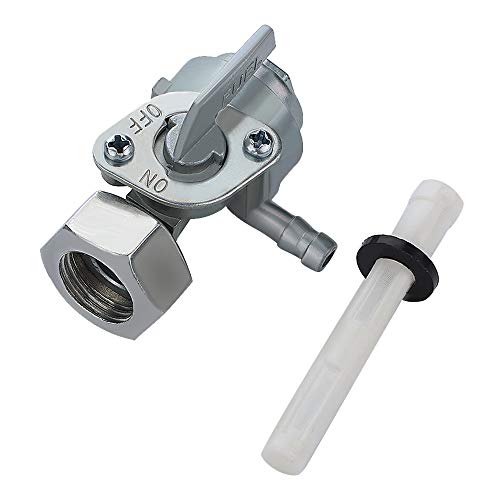
Petcock Fuel Shutoff Valve Nut threading 16mm x 1.5mm; 22mm hex nut ( Please compare with your original carefully brfore ordering.) Predator Generator Parts

DIRECT REPLACEMENT FOR 100+ MODELS – Replaces OEM #192980GS, 78299GS, 80270GS and Kohler 25-462-03-S. Fits Craftsman, Snapper, Troy-Bilt portable generators (3250-8000W) and pressure washers (2500-2900PSI). One valve covers multiple machines

Plastic Fuel Shut Off Valve For BS 192980GS 80270GS 78299GS 80270 78299 Kohler 25 462 03-S 25-462-03-S Generac G080270 080270 80270 , This fuel shut off valve has a 1/4" nipple, 1/4" turn ball valve and a screen filter.
Checking Fuel Levels
Verify the fuel level first. A low fuel level can lead to generator shutdowns.
- Inspect Fuel Gauge: Look at the fuel gauge to ensure it reads above the minimum.
- Refill as Needed: If it’s low, add the appropriate fuel type specified in your owner’s manual.
- Check for Contamination: If you suspect the fuel might be stale or contaminated, consider draining the tank and refilling with fresh fuel.
Understanding these elements helps maintain consistent operational efficiency.
Inspecting Electrical Connections
Loose or corroded electrical connections frequently lead to unexpected shutdowns.
- Examine Connections: Inspect all wiring and connections for signs of wear or corrosion.
- Tighten Loose Connections: Use a wrench or screwdriver to secure any loose connections.
- Check Circuit Breakers: Ensure circuit breakers are functioning correctly. Reset them if they’ve tripped.
Maintaining well-connected electrical components prevents interruptions in power supply.
Preventative Maintenance Tips
Maintaining your Westinghouse generator is crucial to keep it running smoothly. Regular upkeep can prevent unexpected shutdowns and ensure reliable performance when you need it most.
Recommended Products

5000 Peak Watts and 3900 Rated Watts at Less Than 3% THD; Telescoping Handle; Gas Powered; Remote Start With Included Key Fob, Electric and Recoil Start

9500 Running Watts and 12500 Peak Watts (Gasoline); 8500 Running Watts, 11200 Peak Watts (Propane); Remote Start with Included Key Fob, Electric and Recoil Start; Up to 12 Hours of Run Time on a 6. 6 Gallon Fuel Tank with Fuel Gauge

HOME BACKUP POWER, ≤3% THD: The Westinghouse iGen12000DFc dual fuel inverter generator provides whole home backup power that's safe for sensitive electronics; It also has a 50A outlet; Gasoline: 12,000W peak and 9,000W running; Propane: 11,000W peak and 8,100W running
Regular Servicing
Schedule regular servicing for your generator at least once a year. During this service, a technician will check the entire system, including fuel lines, electrical components, and oil levels. Replace the oil and oil filter as needed, usually every 50 to 100 hours of use. Regular servicing ensures safety and detects issues early.
Keeping It Clean
Keep your generator clean and free from debris. Regularly inspect and clean the air filters to promote airflow, as clogged filters can lead to overheating. Clean the exterior and ensure the vents are clear. Removing dirt, dust, and leaves increases efficiency and reduces the risk of shutdowns.
By following these maintenance tips, you can help ensure that your Westinghouse generator operates effectively and reliably when you need backup power.
When To Seek Professional Help
You should consider professional assistance if the following situations arise with your Westinghouse generator:
- Persistent Shutdowns
If your generator continues to shut off despite following the troubleshooting steps, it’s time to consult a technician. - Fuel System Issues
If you notice issues like fuel leaks, unusual smells, or consistent contamination of the fuel, these problems can require expert evaluation. - Electrical Problems
If you detect burnt smells, hear unusual noises, or see signs of sparking at electrical connections, a professional should assess the electrical system. - Overheating
If overheating persists, even with clean air filters and good ventilation, a technician can identify underlying issues, such as failing components. - Frequent Maintenance
If you find yourself performing repairs frequently, a systematic inspection by a qualified technician can help diagnose persistent issues. - Safety Concerns
If anything feels unsafe—like handling the generator becomes difficult or you experience electric shocks—immediate professional assistance is necessary.
By addressing these scenarios, you ensure your generator operates reliably and safely, particularly during critical power outages.
Conclusion
Keeping your Westinghouse generator running smoothly is key to avoiding those frustrating shutdowns. By staying on top of fuel quality and electrical connections you can significantly reduce the chances of unexpected outages. Regular maintenance is your best friend here so don’t skip those annual check-ups and oil changes.
If troubleshooting doesn’t solve the problem don’t hesitate to reach out to a professional. They can help pinpoint any deeper issues that might be lurking. Remember a well-maintained generator not only gives you peace of mind but also ensures you have reliable power when you need it most. Take care of your generator and it’ll take care of you.
Frequently Asked Questions
What causes my Westinghouse generator to shut off unexpectedly?
Power outages can cause a Westinghouse generator to shut off due to fuel issues like low fuel levels, contaminated fuel, or clogged fuel filters. Electrical problems such as loose connections, overloaded circuits, and faulty breakers can also lead to shutdowns. Additionally, overheating from poor ventilation or dirty air filters may trigger a shutdown.
How can I troubleshoot my generator when it shuts off?
Begin troubleshooting by checking fuel levels and inspecting the fuel gauge for contamination. Tighten any loose electrical connections and check circuit breakers for functionality. If issues persist, consider examining the air filters and ensuring proper ventilation to prevent overheating.
How often should I service my Westinghouse generator?
It’s recommended to schedule regular servicing at least once a year. During this service, a technician will inspect the entire system, including fuel lines, electrical components, and oil levels, ensuring everything operates efficiently and safely.
What maintenance should I perform regularly?
Perform regular maintenance by changing the oil and oil filter every 50 to 100 hours of use. Keep the generator clean and free from debris, regularly inspect and clean air filters, and ensure all vents are clear to promote proper airflow.
When should I call a professional for my generator?
Consult a technician if your generator experiences persistent shutdowns, detects fuel leaks or contamination, or has electrical issues like burnt smells or unusual noises. Additionally, seek help for ongoing overheating problems or any safety concerns.

Hey, I’m Jake. I focus on cooling systems at Appliance Mastery, like fridges, freezers, and air conditioners.
I’ve worked in appliance repair for more than ten years and I’m certified through NASTeC. I’ve seen just about every fridge issue you can imagine.
My goal is to help you fix problems without stress. Whether it’s a freezer that won’t cool or an AC that keeps beeping, I’m here to walk you through it.