
Ever wondered why your dryer is sweating profusely after a cycle? Picture this: you eagerly open the dryer door, only to be greeted by damp walls and a pool of moisture at the bottom. It can be frustrating, right? But fret not, as we’re here to shed light on this common household mystery.
Understanding the Root Cause
The main reason behind your dryer sweating is usually a combination of moist air and improper ventilation. When you run your dryer, it produces heat that turns water in the clothes into vapor. If the vapor isn’t properly vented, it’ll condense on cool surfaces, leading to the sweating effect you see.
Common Culprits
- Clogged Ventilation Duct: A blocked vent prevents the moist air from escaping outside, causing it to linger in the laundry room and create condensation.
- Room Temperature: If your laundry area is significantly cooler than the dryer, the temperature difference can trigger condensation on walls or even the appliance itself.
Impact of Humidity
- High Humidity Levels: Living in a humid environment exacerbates the sweating issue as the air already holds a significant amount of moisture.
- Closed Doors or Windows: Insufficient ventilation can’t help eliminate the excess humidity, trapping it inside the room.
- Regularly Clean Vents: Ensure your ventilation ducts are clear of lint build-up to maintain optimal airflow.
- Improve Air Circulation: Open a window or door to aid ventilation while the dryer is in use.
- Utilize a Dehumidifier: Lowering the overall humidity in the room can help reduce the potential for sweating.
Remember, by addressing the root cause of your dryer sweating, you can minimize the occurrence and keep your laundry area dry and free from moisture build-up.
Common Reasons for Excessive Moisture
- Clogged Ventilation Ducts:
Check for blockages in your dryer’s ventilation system that may restrict airflow and lead to moisture buildup. - Room Temperature Discrepancies:
Fluctuations in room temperature can cause condensation on the dryer surface, resulting in sweating. - High Humidity Levels:
Excess moisture in the air from humid weather or indoor activities can contribute to your dryer sweating. - Inadequate Ventilation:
Insufficient airflow around the dryer prevents proper moisture dispersion, increasing the likelihood of sweating issues. - Drying Heavy or Wet Loads:
Overloading your dryer or drying extremely wet items can overwhelm its capacity to evaporate moisture efficiently. - Poor Sealing:
Faulty gaskets or seals on the dryer door can allow warm air to escape, leading to condensation and sweating.
Recommended Products

Home Essentials: Fireplace chimney brushes includes two high quality synthetic brush head and flexible rods that extend up to 30 feet

Multi-Purpose Cleaning: Effectively cleans dryer vents, lint traps, and air conditioner coils with the included flexible dryer vent brush and appliance brush,dryer vacuum hose attachment.

Extended cleaning hose reaches deep inside ductwork, paired with vent-specific fittings to reach lint buildup spots. It quickly clears trapped debris to boost airflow and shorten drying cycles
How to Prevent Your Dryer from Sweating
When it comes to preventing your dryer from sweating, there are several actionable steps you can take to maintain a dry laundry area effectively. Here’s what you can do:
- Check Ventilation: Ensure that your ventilation ducts are clear of any blockages, allowing proper airflow.
- Maintain Room Temperature: Keep consistent room temperatures around your dryer to reduce moisture buildup.
- Manage Humidity Levels: Control indoor humidity with a dehumidifier to prevent excess moisture in the air.
- Ensure Proper Airflow: Improve ventilation in the laundry area to aid in moisture evaporation.
- Avoid Overloading: Refrain from overloading your dryer with heavy or wet loads to prevent sweating issues.
- Inspect Seals: Regularly check the seals on your dryer door for any faults that may contribute to moisture leakage.
Taking these proactive measures can help you tackle dryer sweating issues effectively and maintain a dry and efficient laundry space.
Recommended Products

All-in-One Dryer Duct Cleaning Kit — No more running to the hardware store for missing parts. This complete vent cleaning kit includes a heavy-duty dryer vent cleaning brush for 4-inch pipes, a set of flexible nylon rods, a dedicated lint brush, a dryer vent cleaner drill attachment, and protective gloves—everything you need in one box, ready to use right away.

HOME ESSENTIALS: The dryer vent cleaner kit brush Includes one high quality synthetic brush head and flexible rods that extend up to 40 feet.The short brush head has a diameter of 4 inches, while the long brush head has a diameter of 1.5 inches.
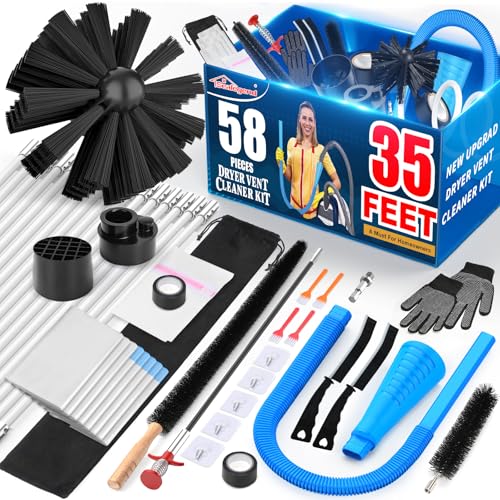
【Efficient dryer cleaning tool set】-Professional cleaning tool set can help you deep clean buildup lint in the dryer. Including 35feet Dryer Vent Brush × 1, Dryer Lint Vacuum Attachment × 1, Lint Trap Brush × 1, Vacuum Cleaner Adapter x1, Dryer Adapter x1, Drill Bit x 1, Multi-Use Lint Cleaner Brush x1, Anti-SLip Gloves x1, Strong Tape x2, Rods Collection Bag x1, Laundry Bag x1, Lint Collection Bag x33, Lint Grabber x1, Blockage Removal Tool x1, Gap Brush x2,MULT-FUNCTIONALCLEANINGBRUSH x4,SELF-ADHECIVEHOOK x5
Tips for Maintaining Optimal Dryer Performance
Here are some practical steps to help you keep your dryer in top shape:
- Clean the lint filter after every load to prevent airflow blockages.
- Regularly check and clean the venting system to ensure proper ventilation.
- Avoid overloading the dryer to allow for optimal airflow and drying efficiency.
- Keep the room temperature consistent to prevent moisture buildup.
- Use a dehumidifier in the laundry room to manage humidity levels.
| Facts & Figures | |
|---|---|
| Lint buildup is a leading cause of dryer fires. | |
| Over 15,000 house fires each year are caused by dryers. |
Follow these tips to maintain a dry and efficient laundry space and prevent future issues with your dryer.
Recommended Products

Home Essentials: Holikme dryer vent cleaner kit can easily help you to remove years of built up lint from your dryer vent, making your appliance runs more efficiently and securely; Suitable for most dryer types, please kindly check our product size information for reference in order to better shopping experience

【3-Piece High-Value Set】 — Includes vent duct brush, lint trap brush, and flexible crevice tool. One kit replaces multiple single-purpose brushes — better value than buying separately.

Extra-long flexible brush reaches deep into dryer vents, pipes, and ducts to grab and remove built-up lint, dust, and debris more effectively than standard brushes dryer lint cleaner
Conclusion
Keeping your dryer in top condition is essential for efficient performance and safety. By following the maintenance tips discussed in this article, you can prevent issues like excessive sweating and reduce the risk of dryer fires. Remember to clean the lint filter, inspect the venting system, avoid overloading, maintain room temperature, and consider using a dehumidifier. These simple steps can make a significant difference in the longevity and effectiveness of your dryer. Keep your laundry area safe and functional by incorporating these practices into your routine.
Frequently Asked Questions
Why is it important to clean the lint filter after every load?
Cleaning the lint filter after every load helps prevent lint buildup, which can lead to reduced dryer performance and potentially cause a fire.
How often should I check and clean the venting system of my dryer?
It is recommended to check and clean the venting system of your dryer at least once a year to ensure proper airflow and reduce the risk of a dryer fire.
Is overloading the dryer a common mistake that can affect its performance?
Yes, overloading the dryer can obstruct airflow, leading to longer drying times and increased wear and tear on the machine.
Why is it necessary to keep the room temperature consistent when operating the dryer?
Maintaining a consistent room temperature helps the dryer operate efficiently and prevents it from overheating or working harder than necessary.
How can using a dehumidifier in the laundry room benefit the dryer’s performance?
A dehumidifier helps reduce moisture in the air, allowing the dryer to work more effectively and efficiently, especially in humid environments.

Hi, I’m Charlie, and I cover all things laundry here at Appliance Mastery.
I’ve spent over eight years working on washing machines, dryers, and dishwashers. I also have a degree in mechanical engineering, which helps me understand how these appliances really work.
I try to make every guide clear and practical. If you’re stuck with a noisy dryer or a leaking washer, I’ll help you figure out what’s wrong and how to fix it.